I think we did more organized touring on this trip than our usual trips. Maybe it was because we had missed our Pesach trip so we were trying to make up for it. Or maybe it was because the kids are finally both at an age where they can appreciate the tours. Either way, I think we did really well at planning this one.
On Sunday in Jerusalem we did an Old City tour and on Tuesday we did a tour of the Machane Yehuda shuk,
The Old City Tour
Sunday we got up for our Old City day.
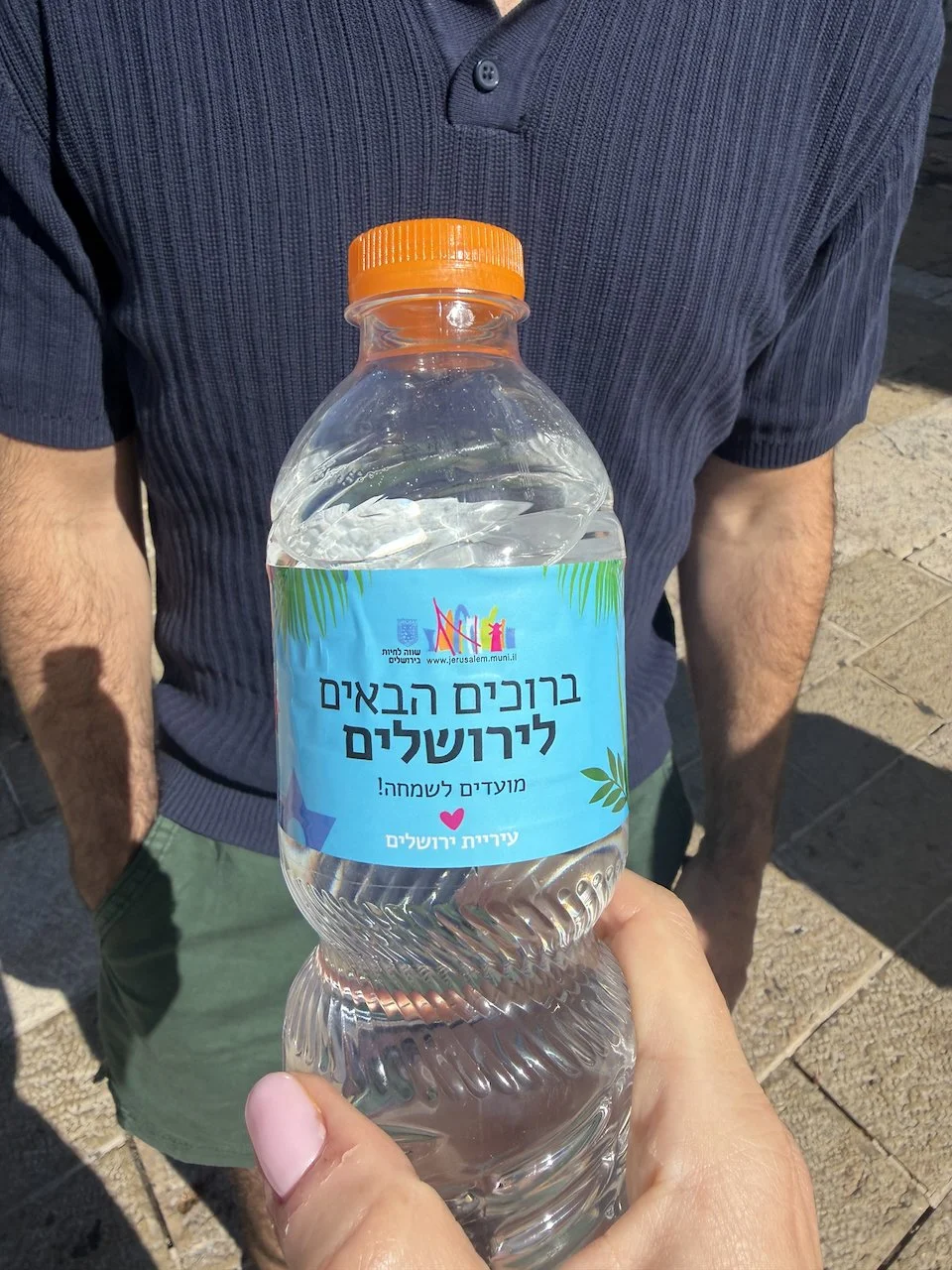
We had to be at Jaffa Gate by 10:00 a.m., so we got up early, ate breakfast in the sukkah, and took a cab over to Jaffa Gate, where we met our guide, Avidov who we had got from Hindel and Mendy who used him last month. Right outside the gate, they were giving out free water bottles from the Jerusalem municipality with a holiday message on them, which was nice.
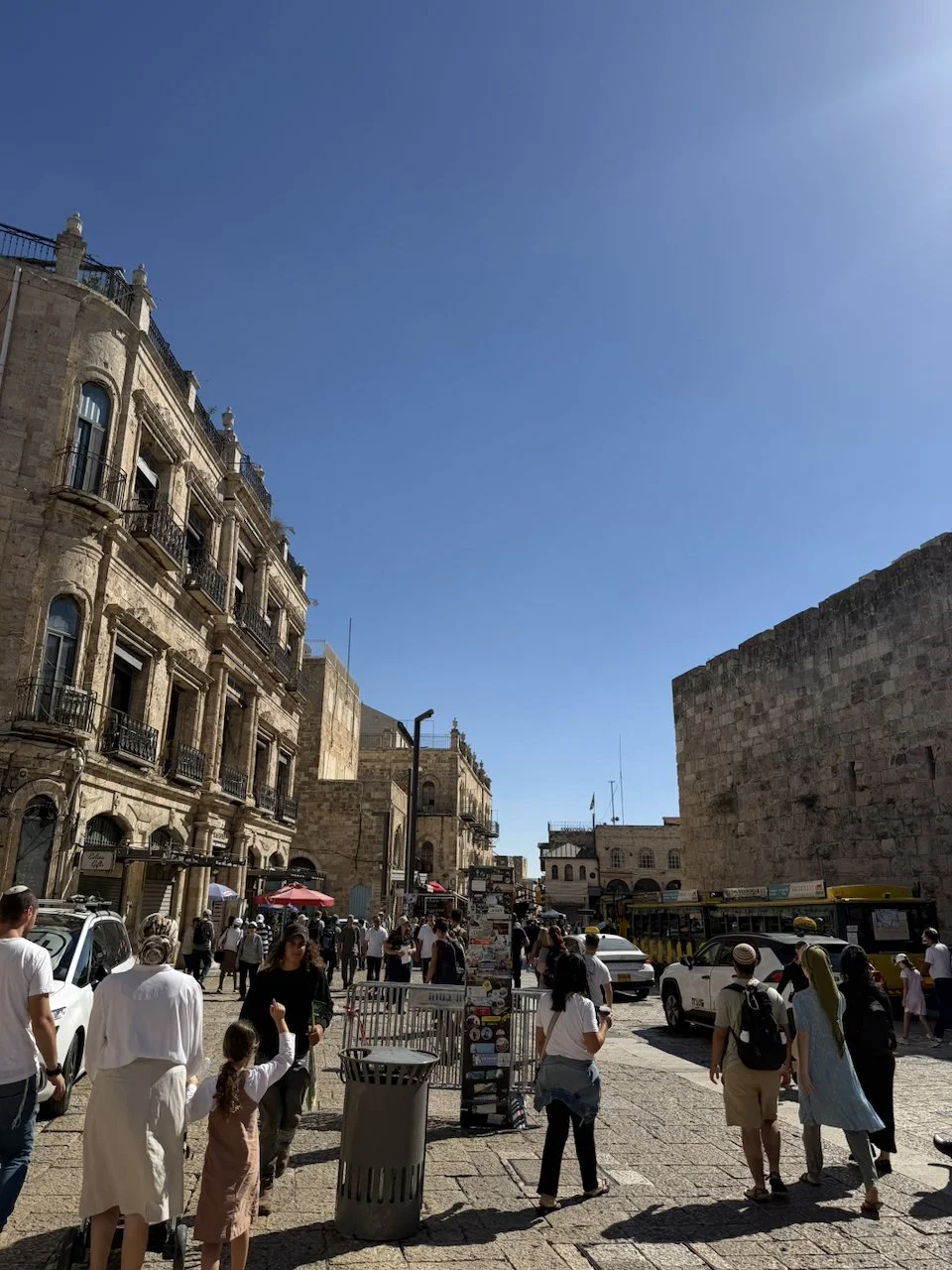
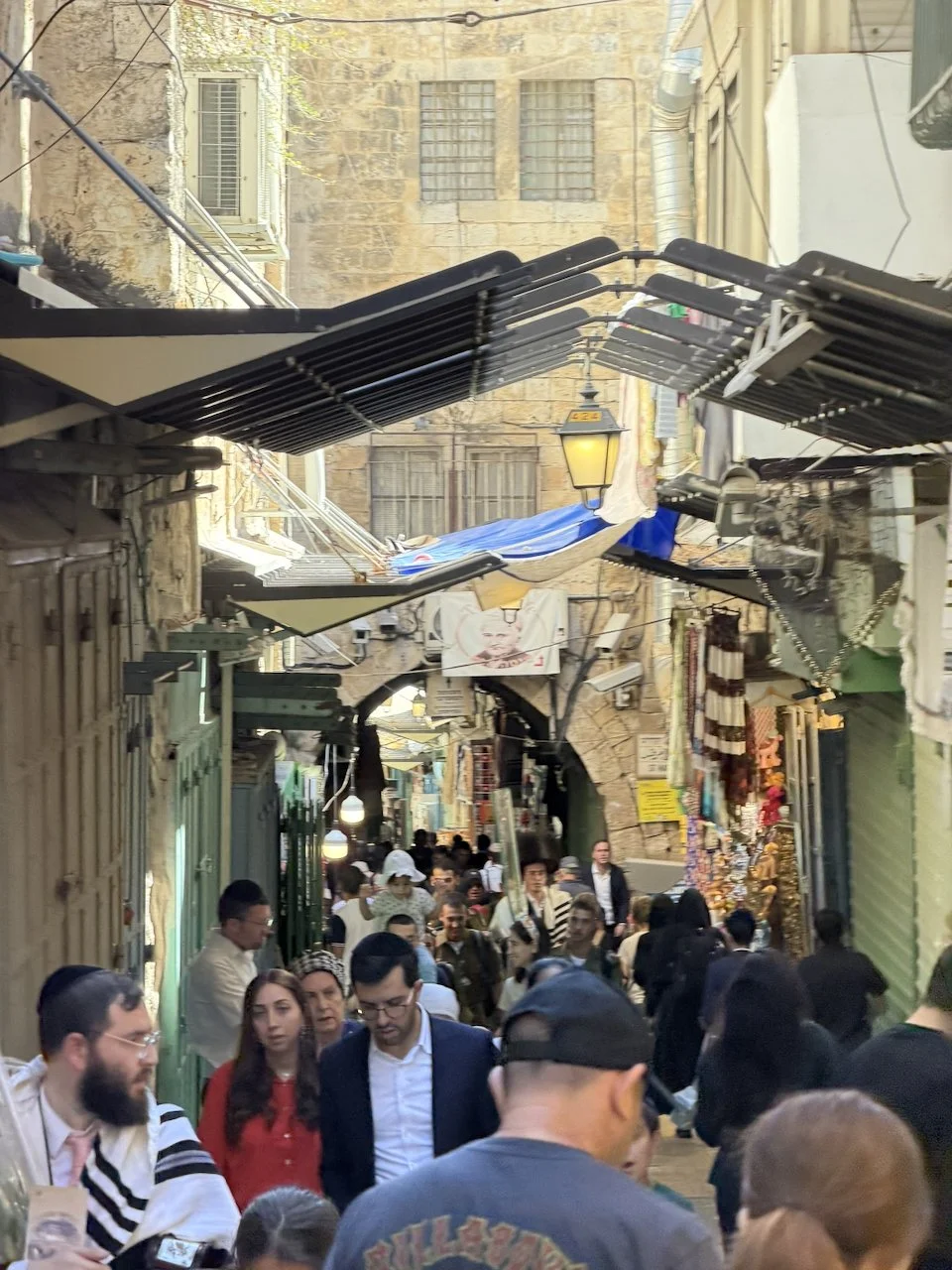
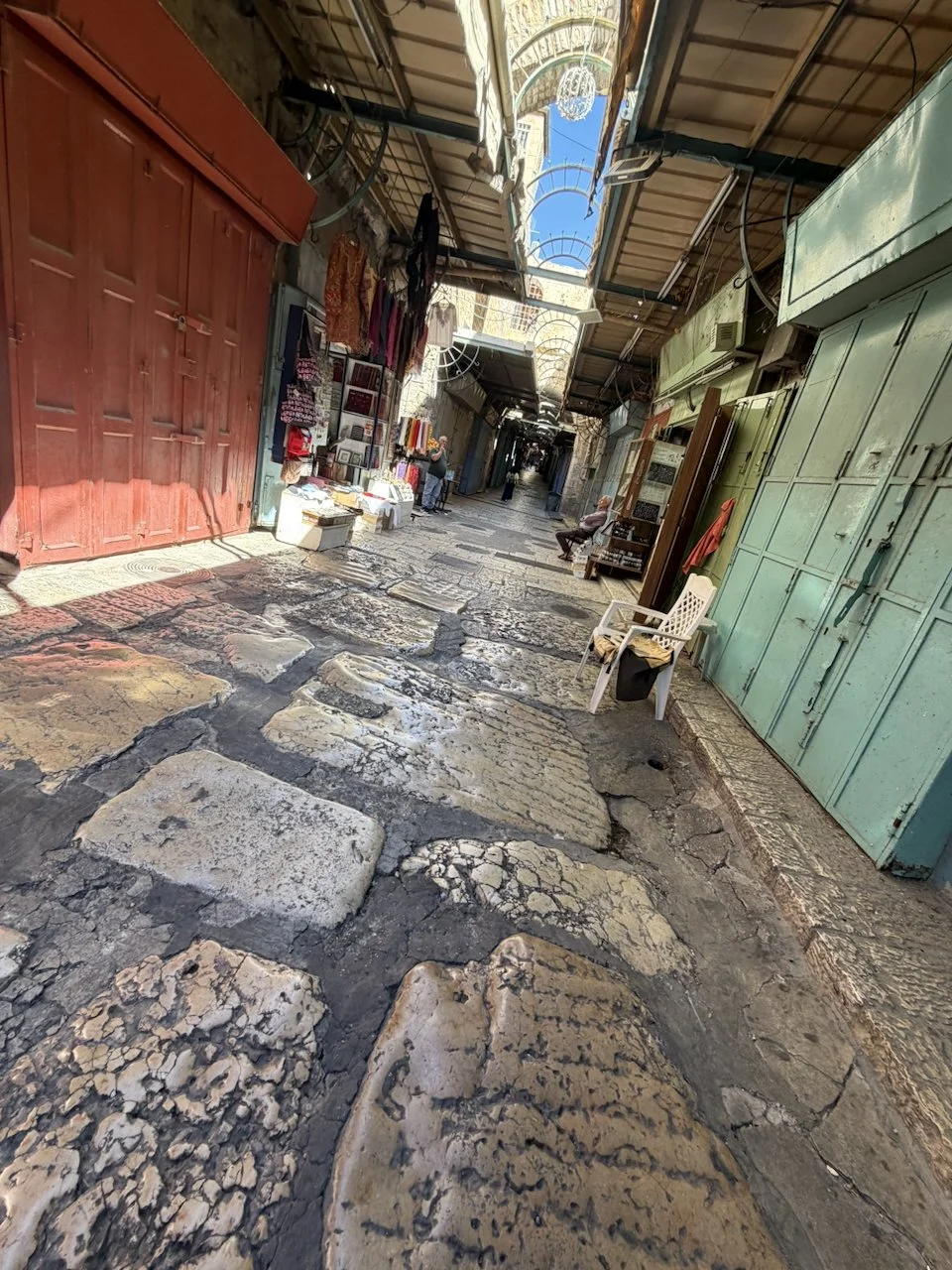
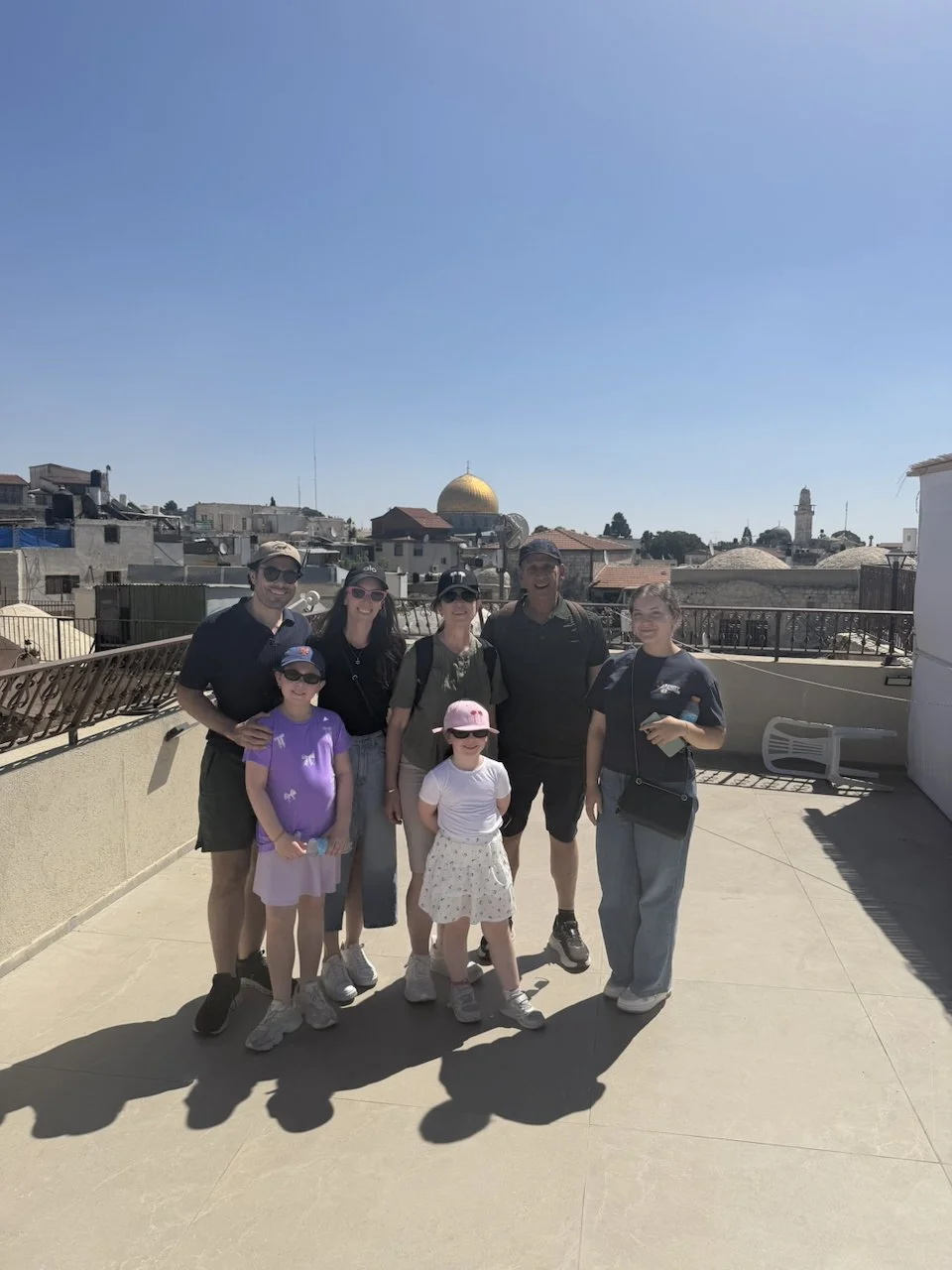
Today’s tour was of the Old City, but it really wasn’t focused on the Jewish sites. Instead, we spent most of the day exploring the Christian and Muslim parts, which was very interesting. We walked through the Christian Quarter and the Muslim Quarter and talked a lot about the history and geopolitics of the Old City—how it had been under British rule, then under Jordanian control from 1948 until 1967, and then came under Israeli control during the Six-Day War. It was interesting to see how things have really changed over the last several years in the Old City. It wasn’t that long ago that walking through the Arab shuk was considered risky, and now it’s safe to go basically anywhere. Avidov kept saying it’s safer there than Manhattan. I guess that’s true, except the risk of an uprising in Manhattan is probably lower. Or maybe not.
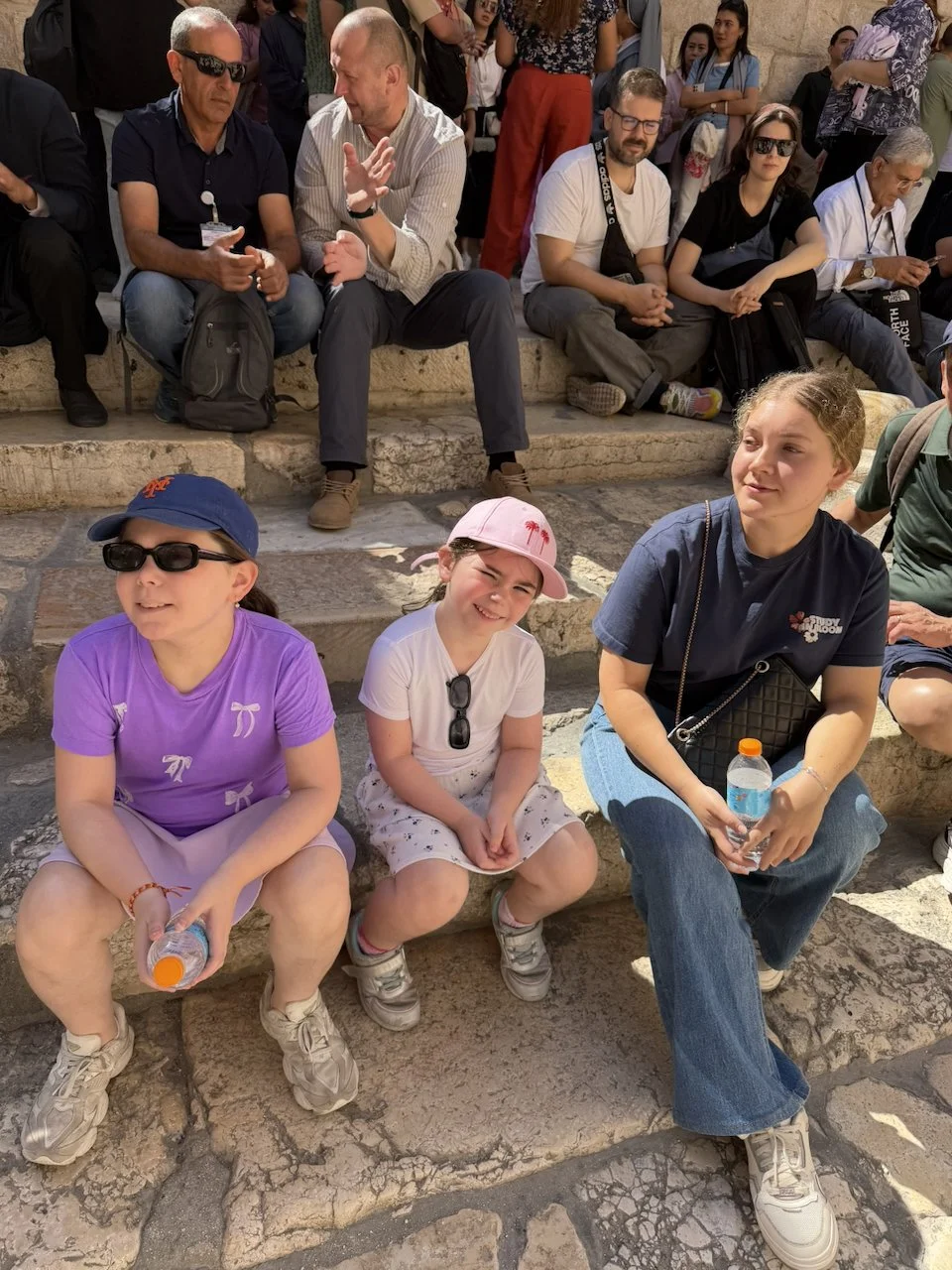
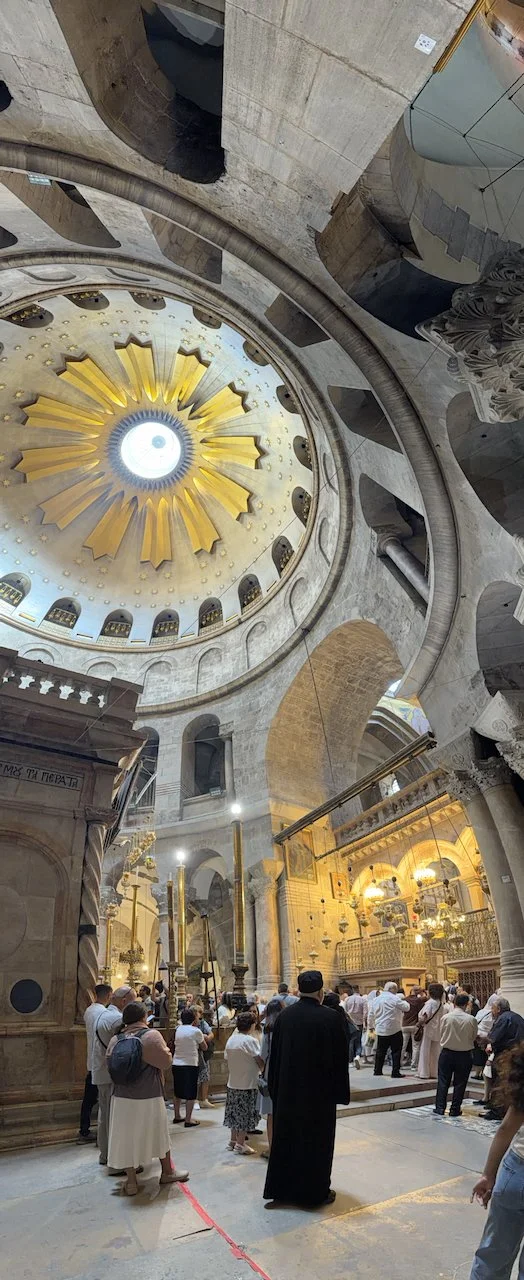
We went to the Church of the Holy Sepulchre, which is traditionally believed to be the site of Jesus’s crucifixion, burial, and resurrection. That was interesting.
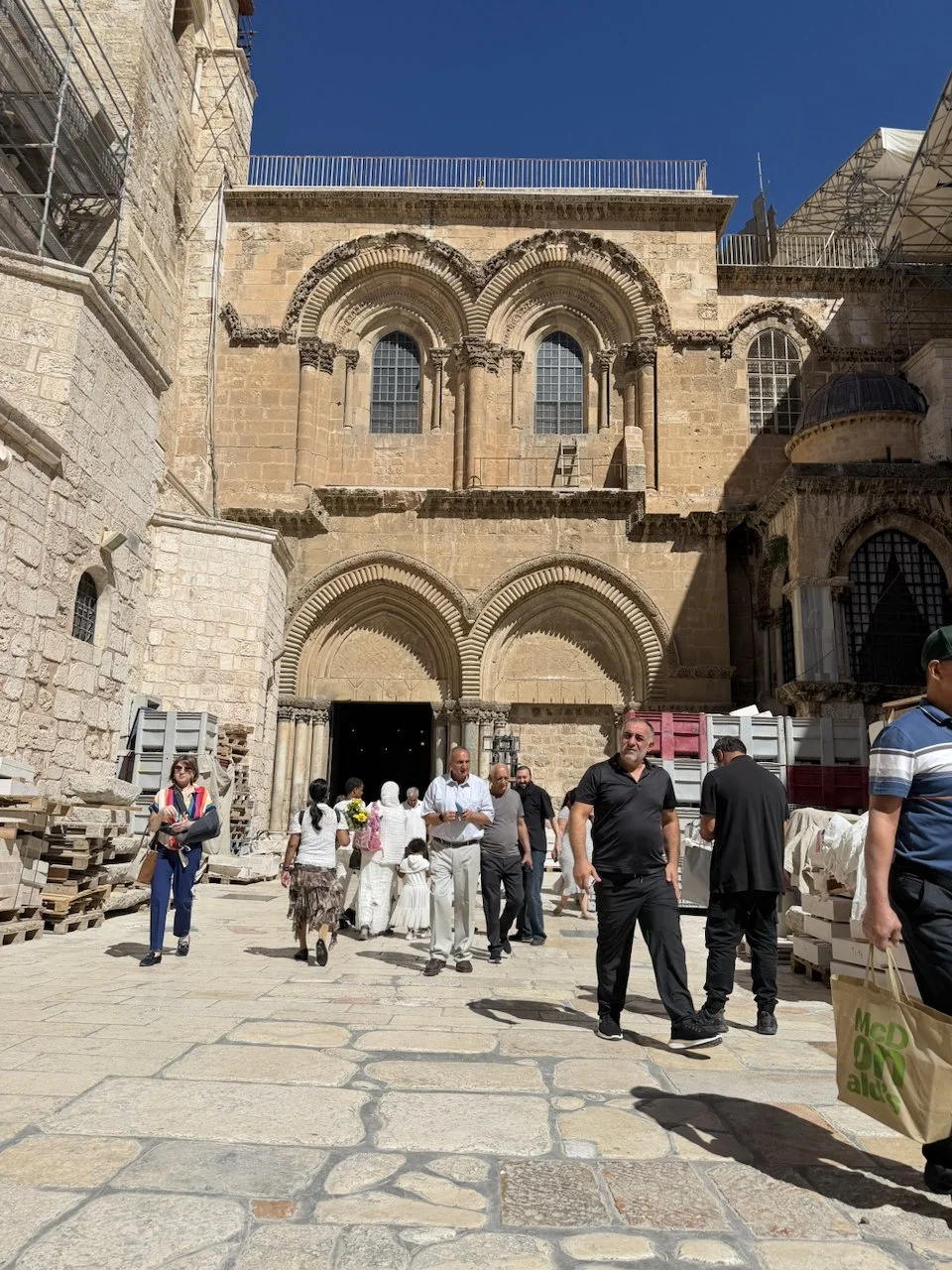
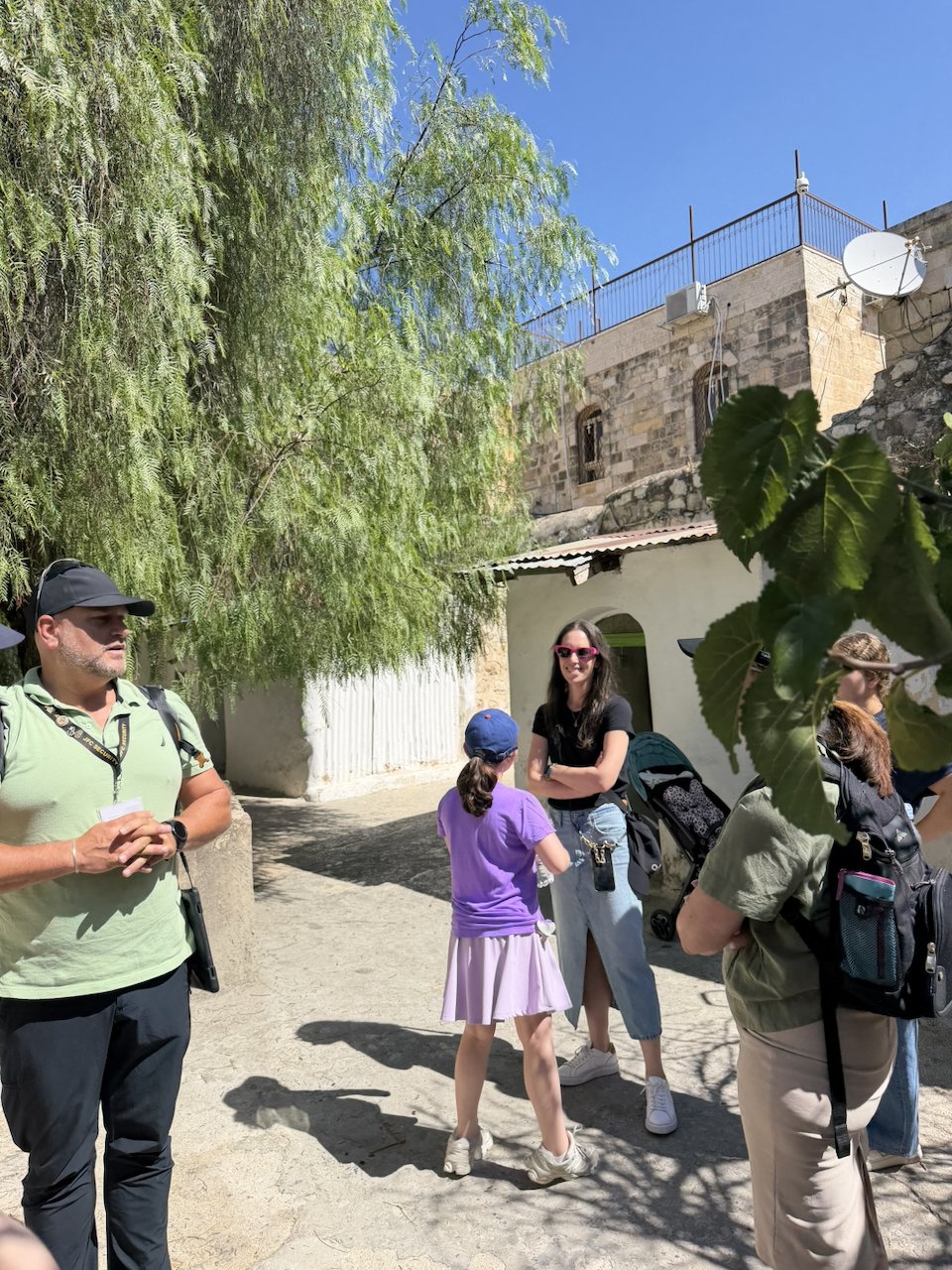
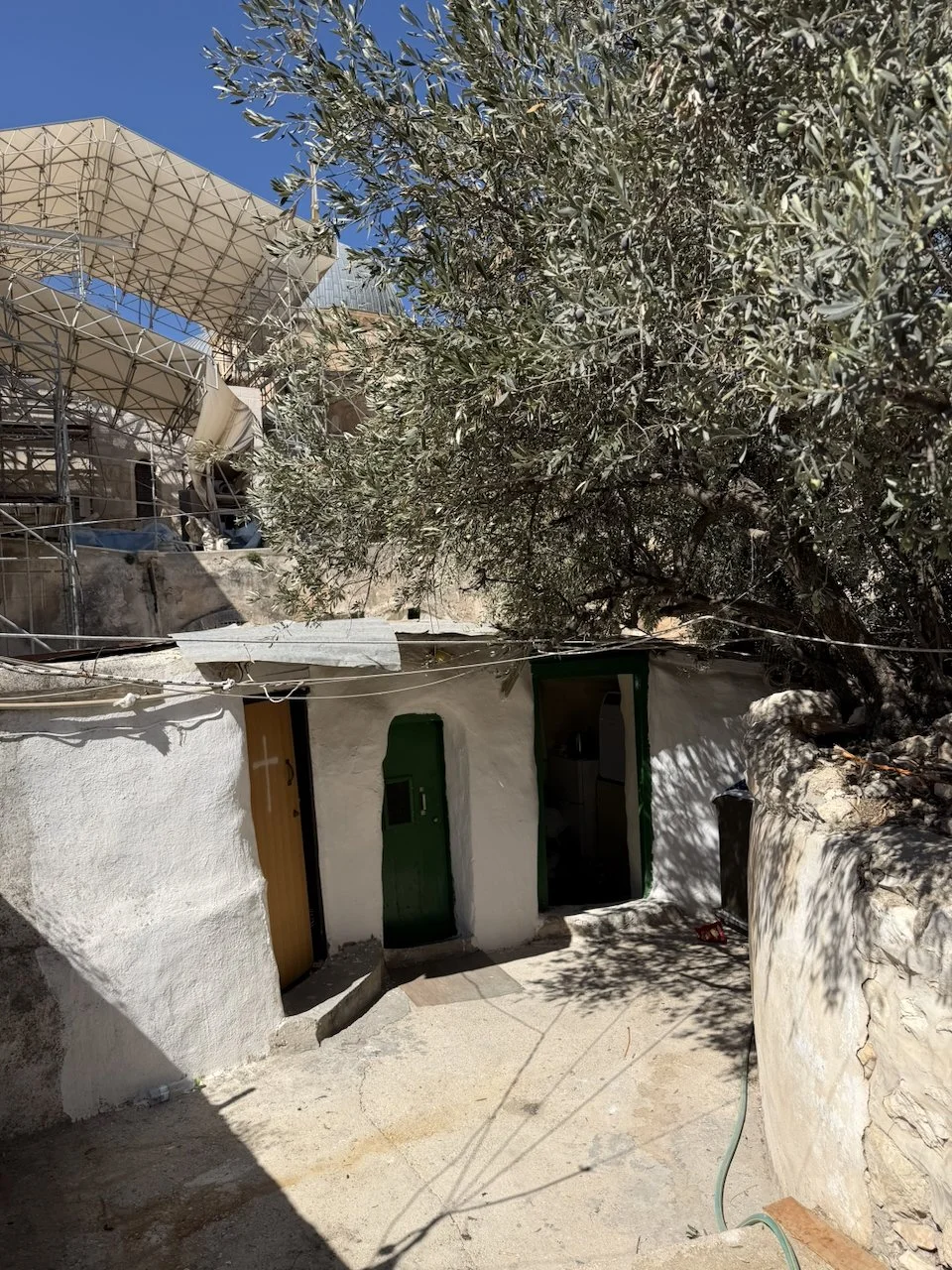
After the church, there is this little doorway off to the side, and we went through it and somehow ended up walking through two Ethiopian churches. Then you come out the other side and suddenly you are in this tiny Ethiopian village. Who knew there are Ethiopian Christian monks living hidden away in the middle of the Old City. There’s only one bathroom for the seventeen of them, but they all have their own satellite dishes. It was just one of those things where you realize you could walk through the Old City over and over again and still have no idea what is hidden behind some random doorway.
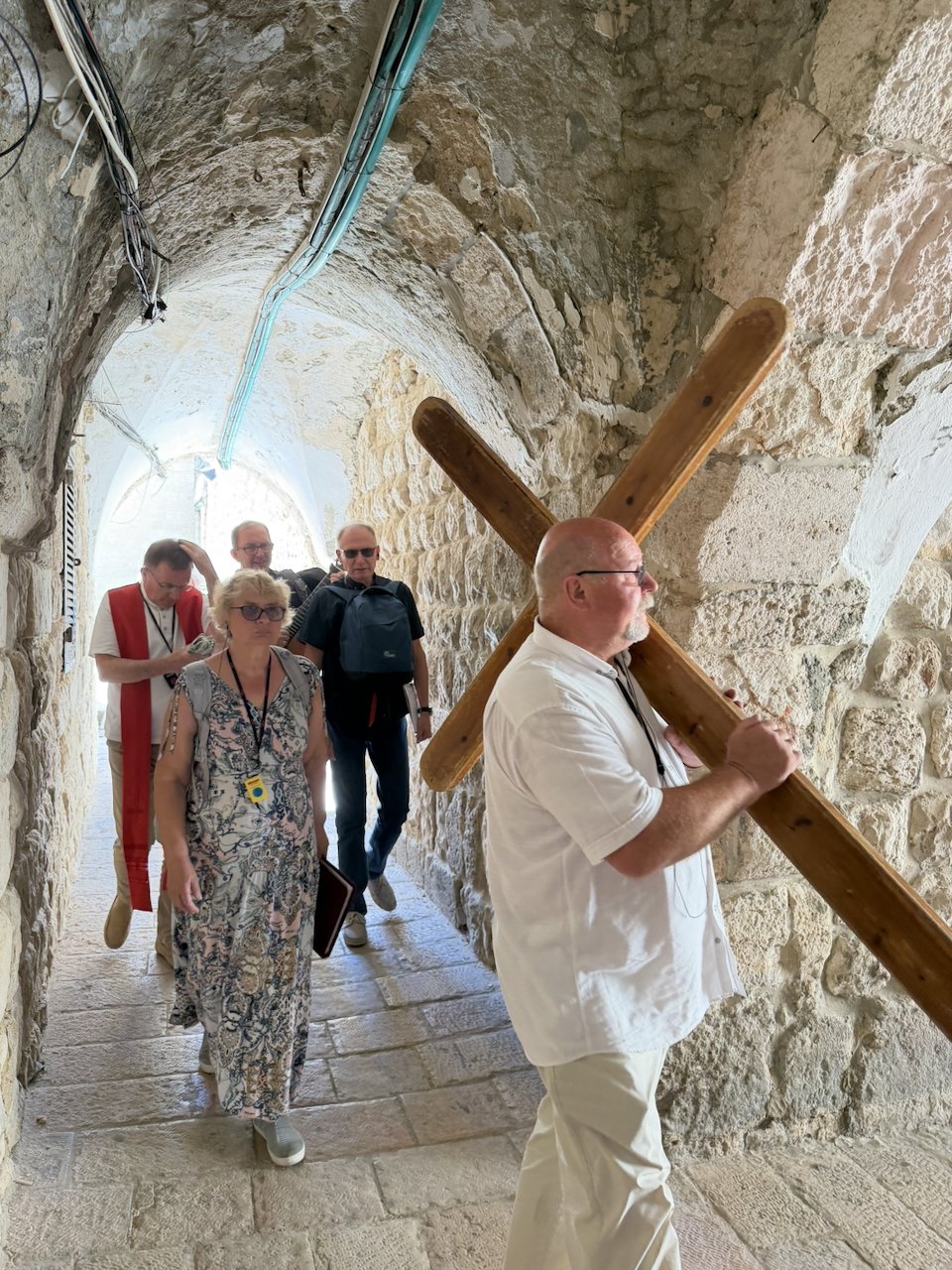
As we kept walking, we stopped at different stations along the Via Dolorosa, which is traditionally believed to be the route Jesus walked on the way to his crucifixion. At one point, we saw a large Christian pilgrimage group coming through. They were walking the different stations, carrying this enormous cross, and singing Christian songs as they went. It was just very interesting to watch.
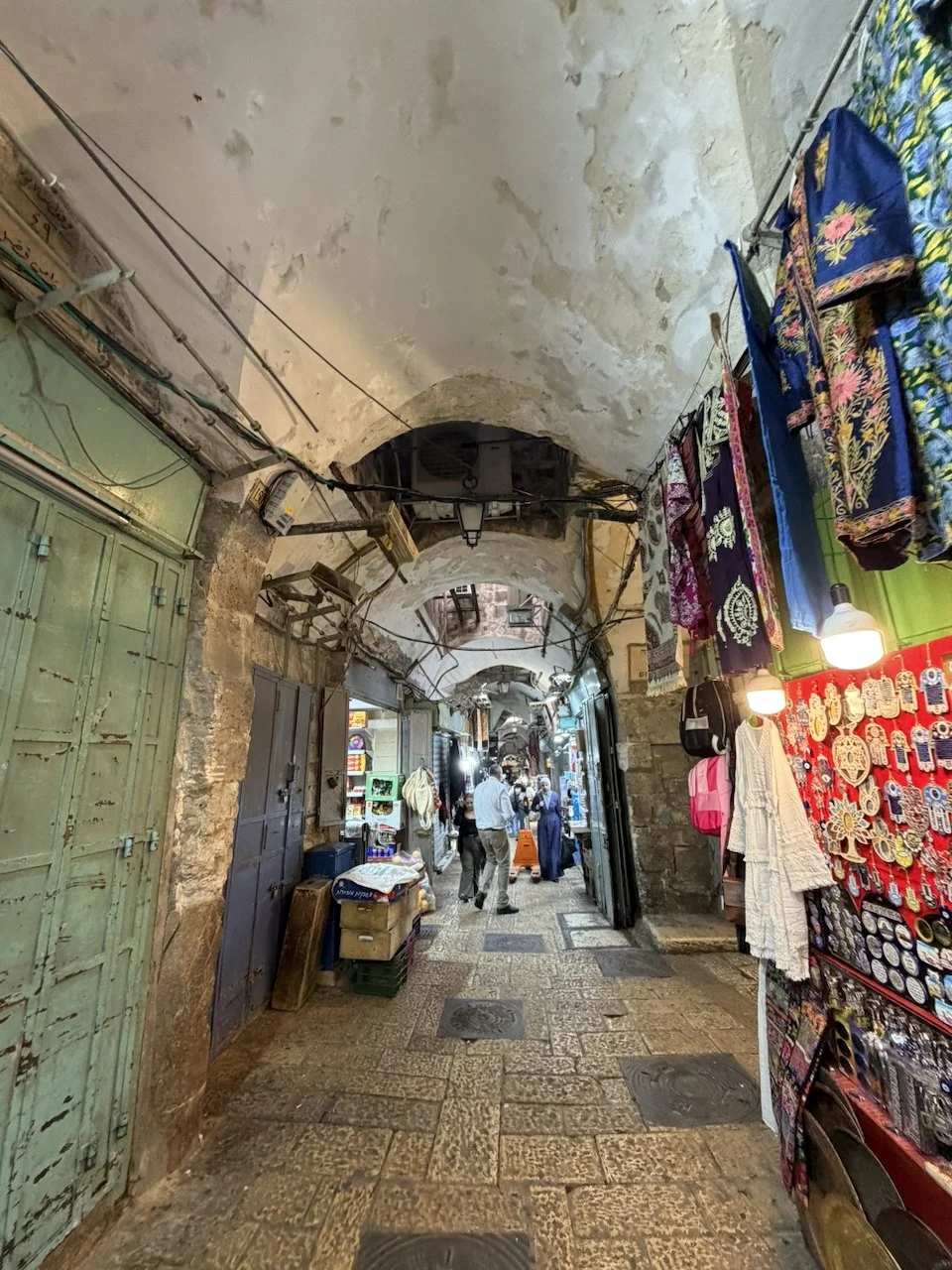
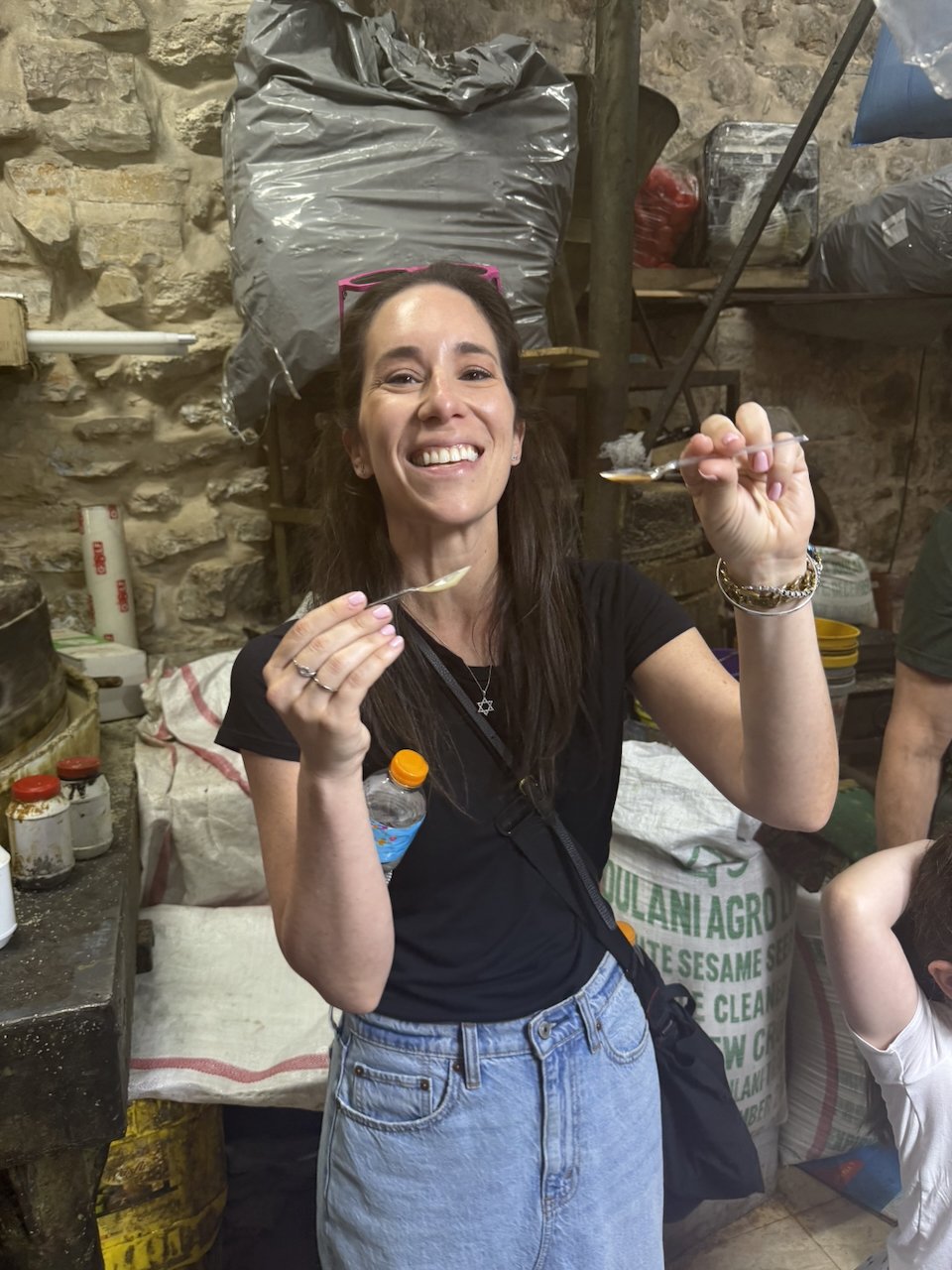
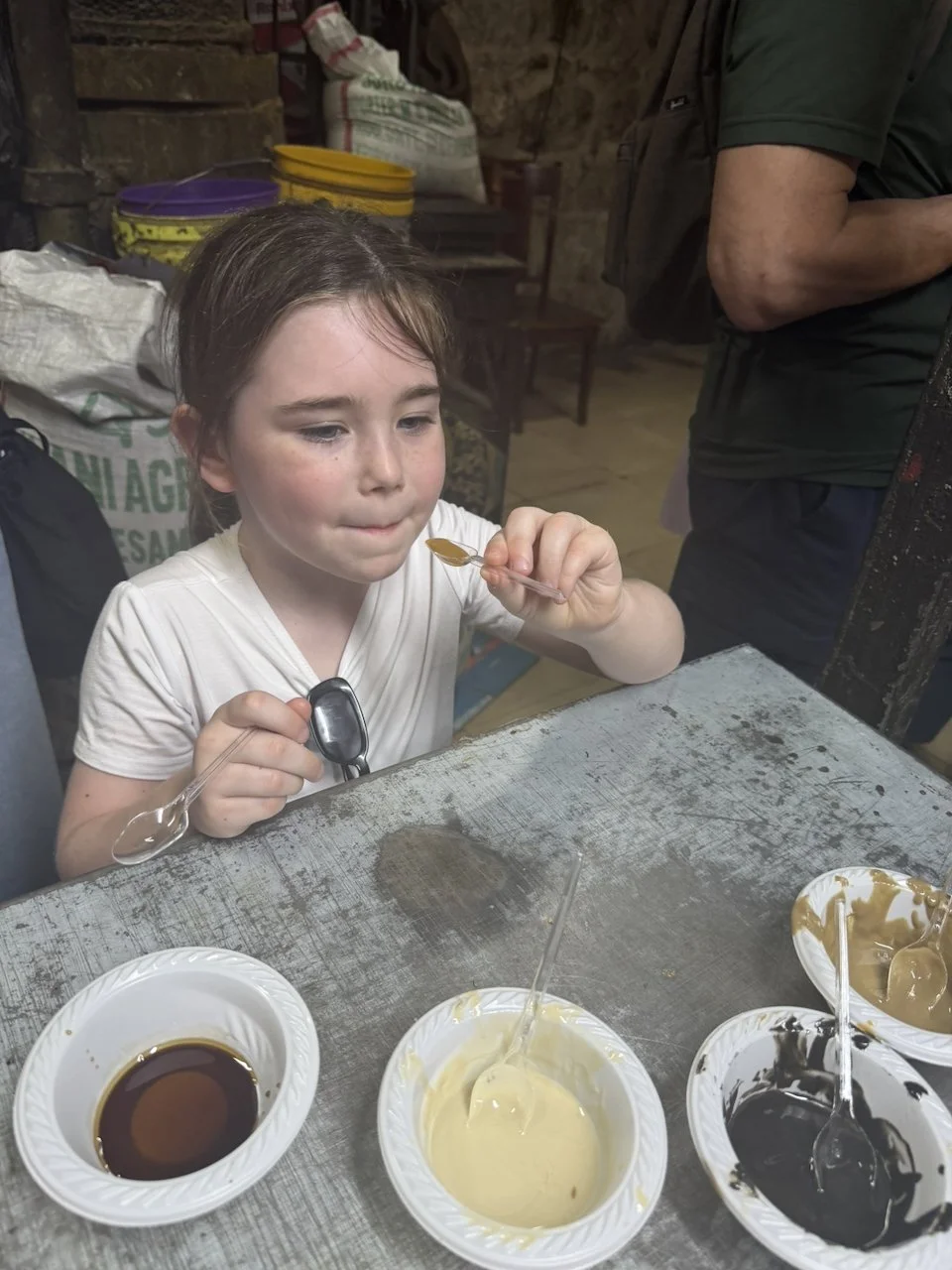
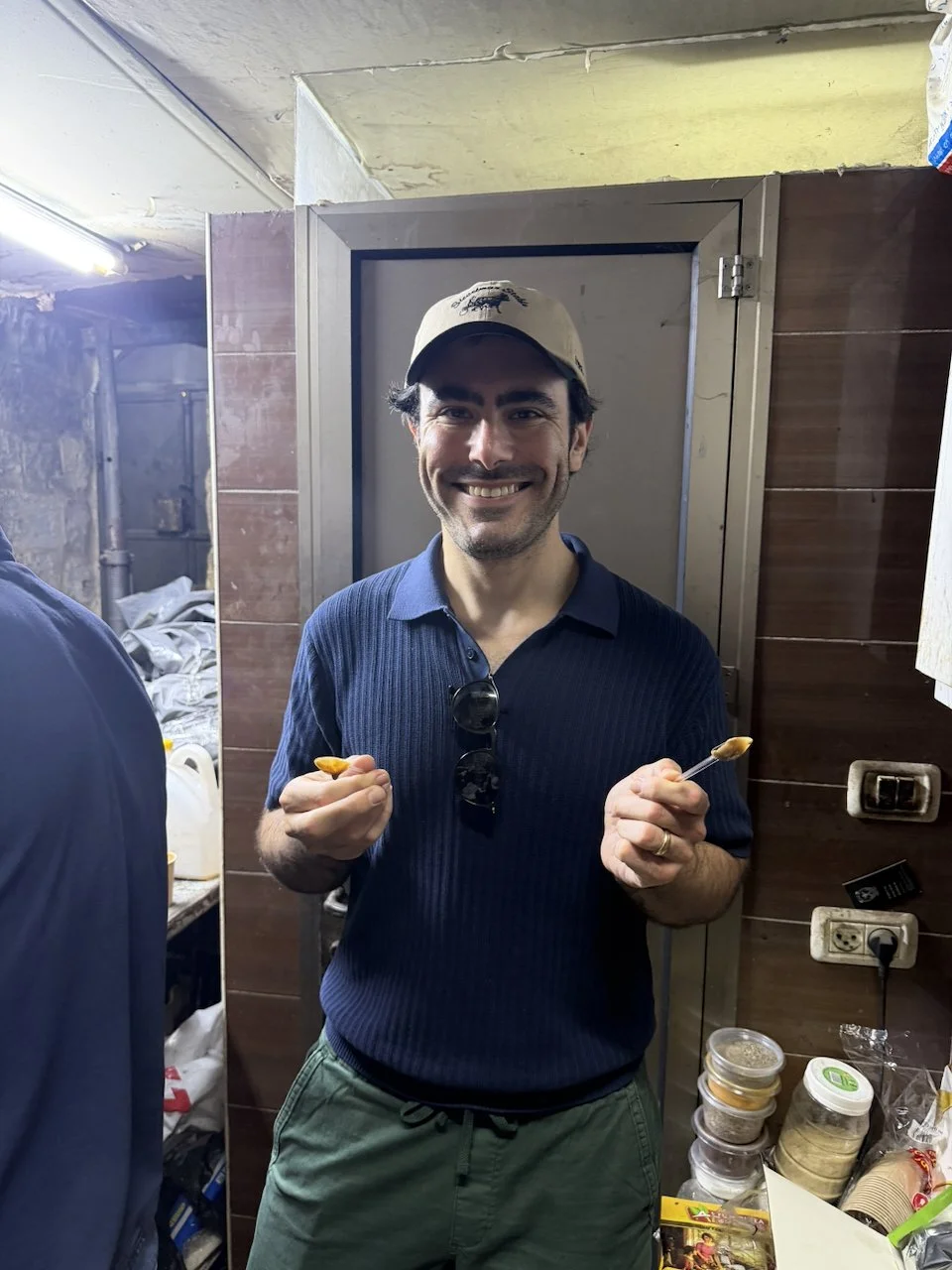
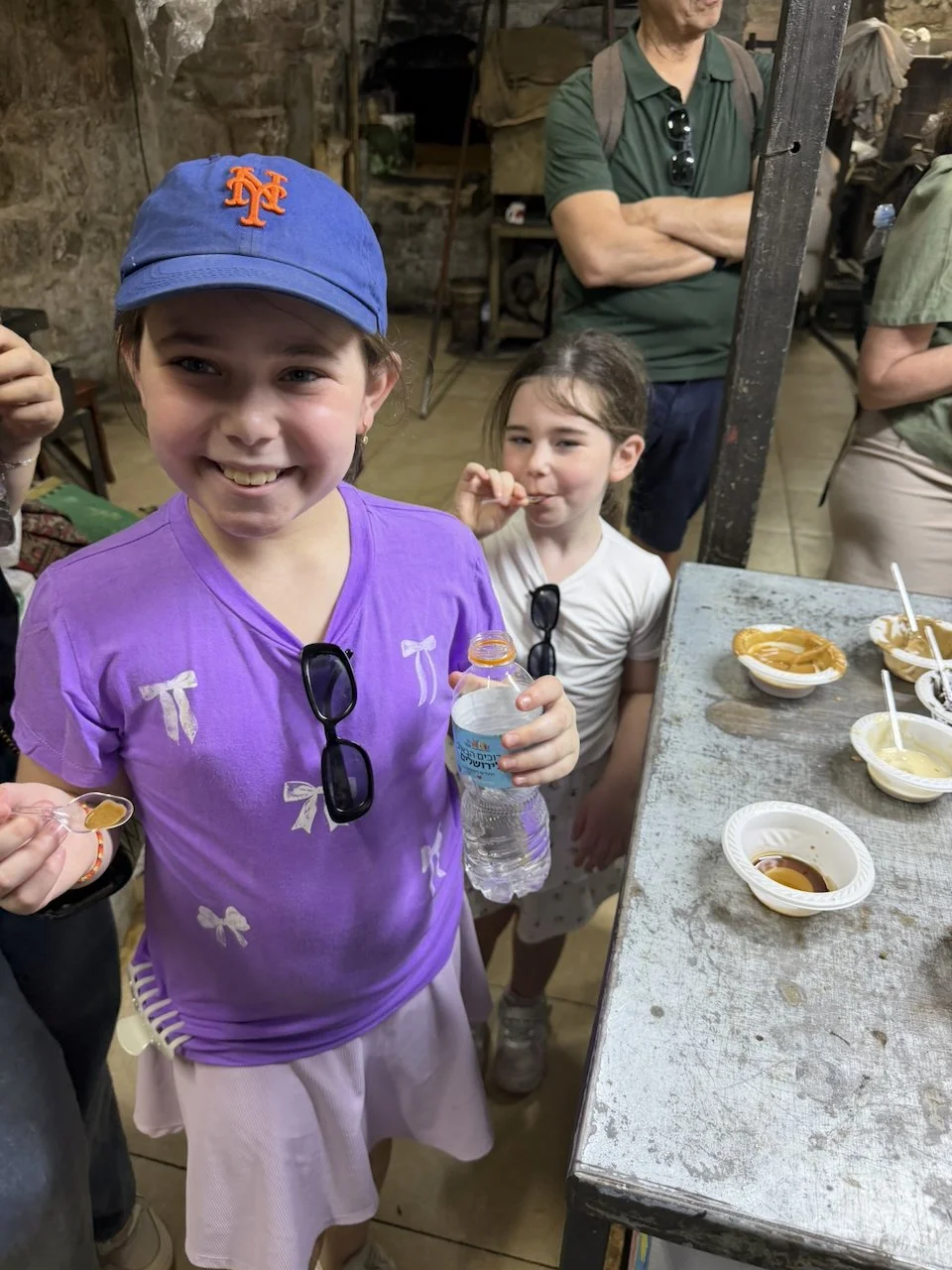
We also stopped at a famous tahini shop run by an Arab man named Itzik. He showed us how he actually grinds the sesame, and we tried several different tahinis, including one that he mixed with some sort of sweet grape syrup or honey. Somehow, it tasted almost exactly like peanut butter and jelly. So that was probably as close as Tzvi is going to get. It was just really interesting walking through those areas and seeing parts of the Old City that we normally don’t spend much time in.
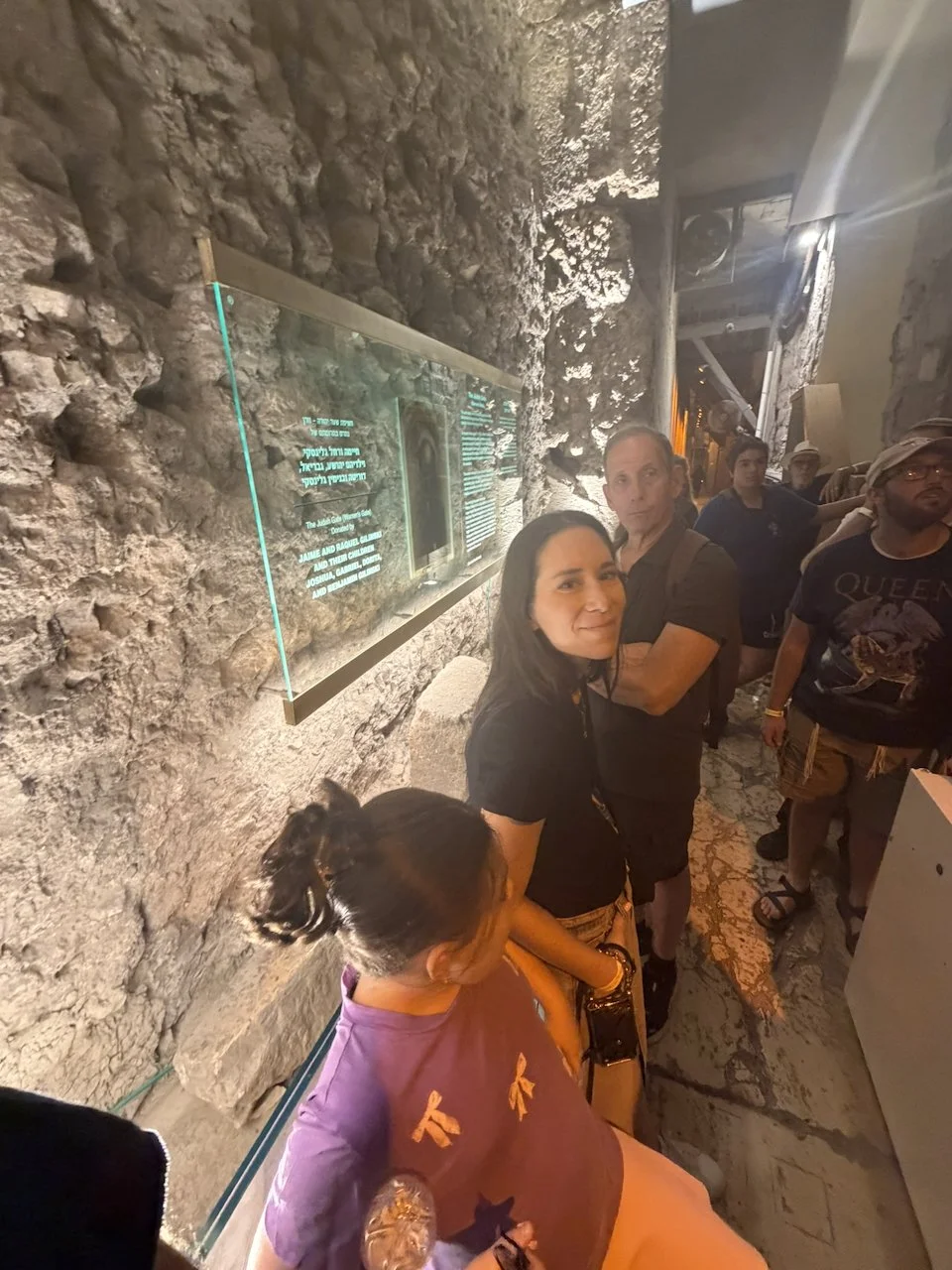
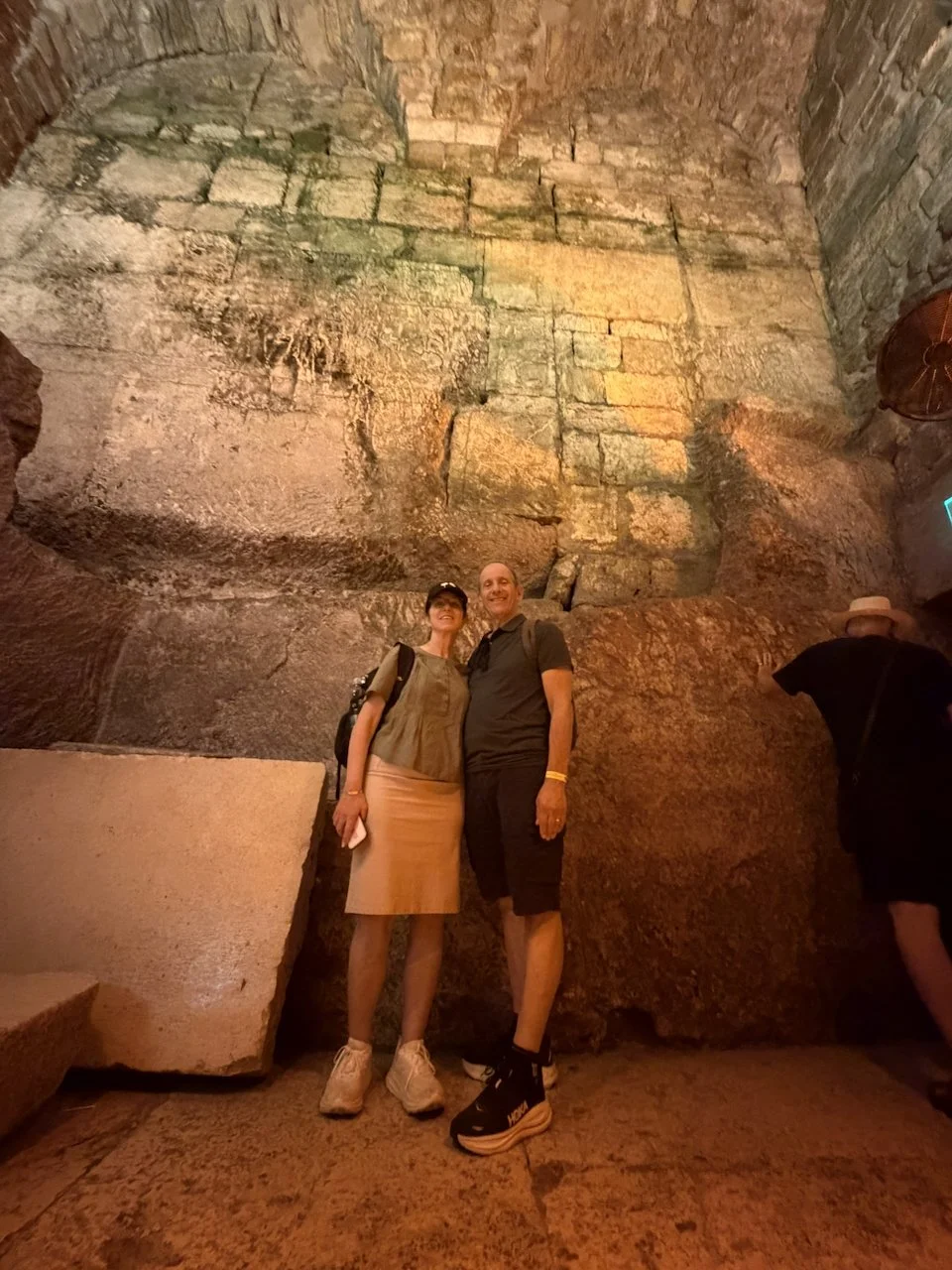
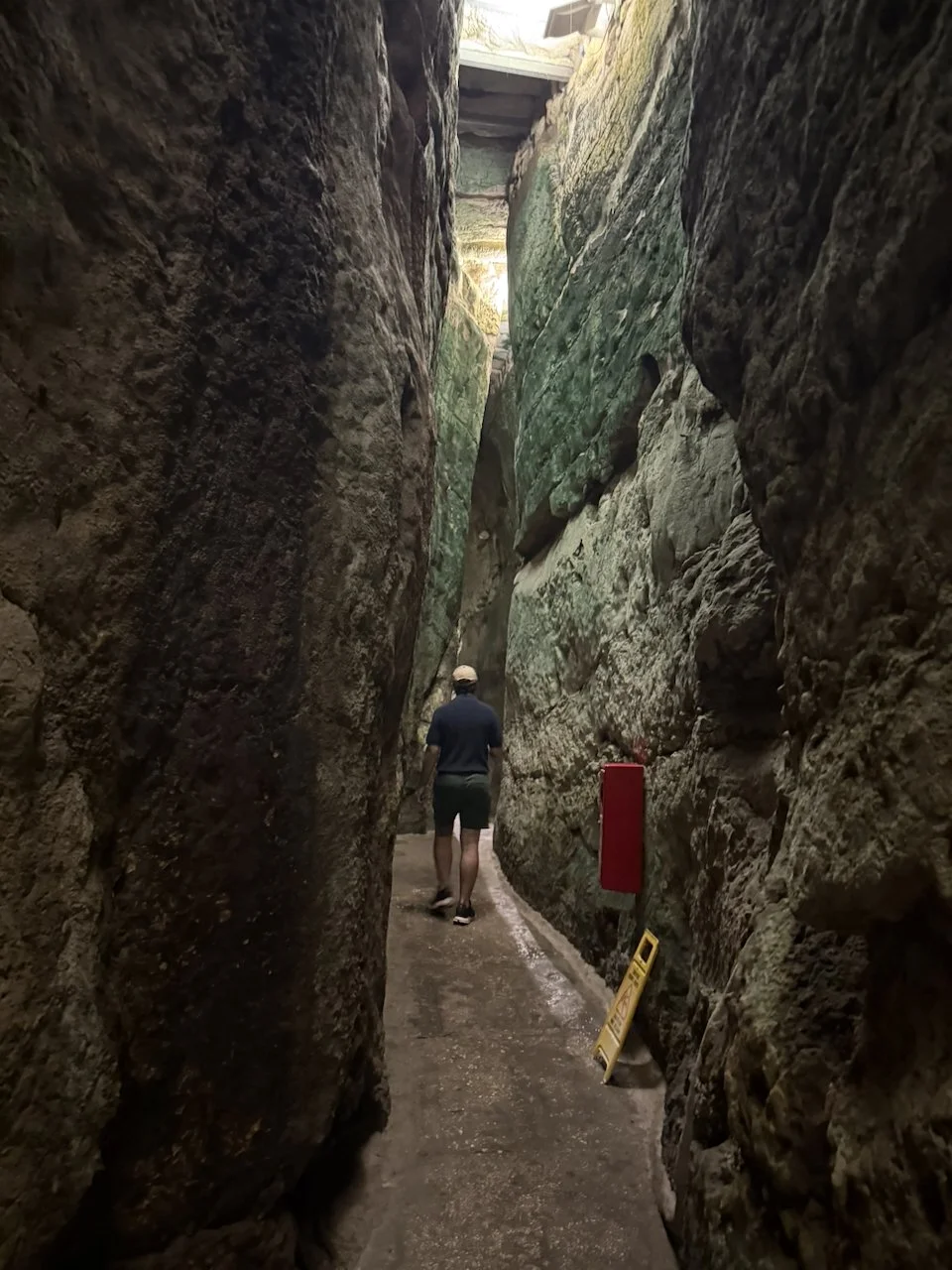
Eventually, we ended up at the Kotel Tunnels, where we did an hour-long tour. That was great. The tour takes you underneath the Old City along the length of the Kotel, and at one point the guide brought us to the spot he said was the closest accessible point to the Kodesh HaKodashim. We also walked through old aqueducts and underground passageways. The whole thing really drives home how long Jews have been here—thousands of years—and how much history is literally buried underneath the city.
After the tunnel tour, we went to find lunch, which is always slightly chaotic in the Old City and even more so on a chag. We ended up getting bagels. Then we walked around the Jewish Quarter a little more before saying goodbye to Avidov. We went down to the Cardo to see Udi, the artist we always visit, but he wasn’t there. So instead, we went next door to Yossi Sagi, the jewelry guy, where the girls and I spent approximately an hour picking out jewelry, Tzvi and my father spent an hour sitting around and pouting, and my mother just spent.

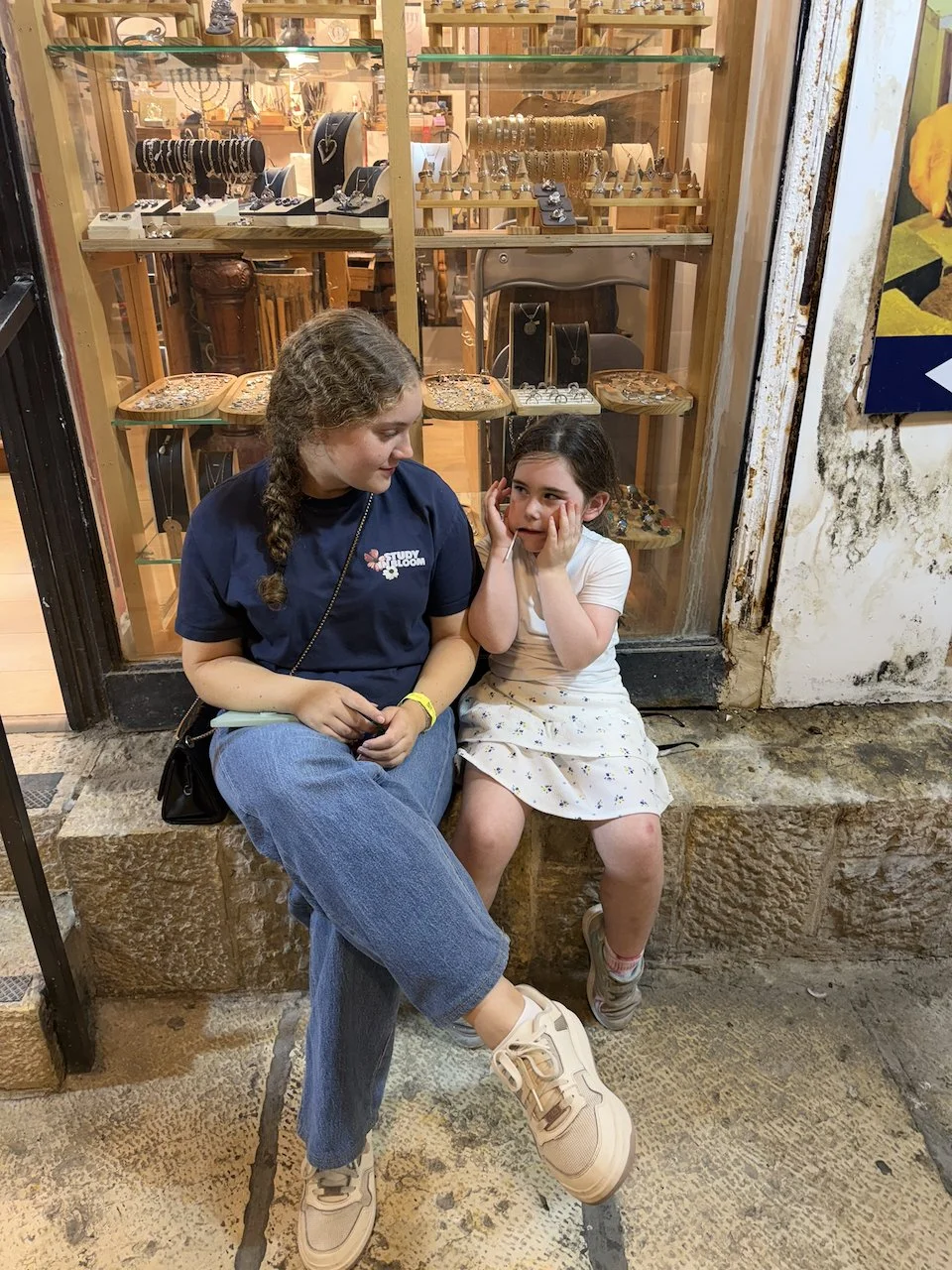
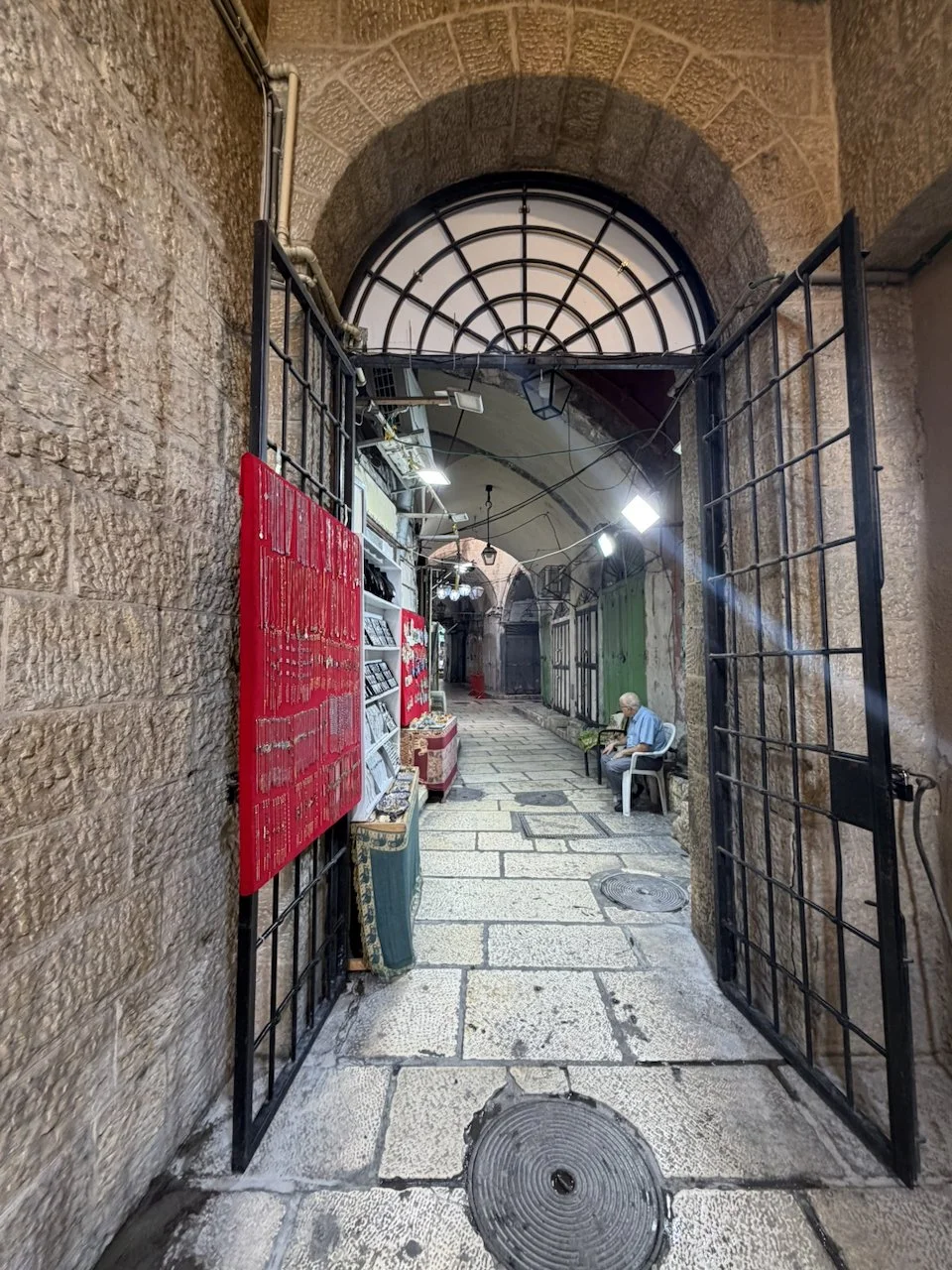
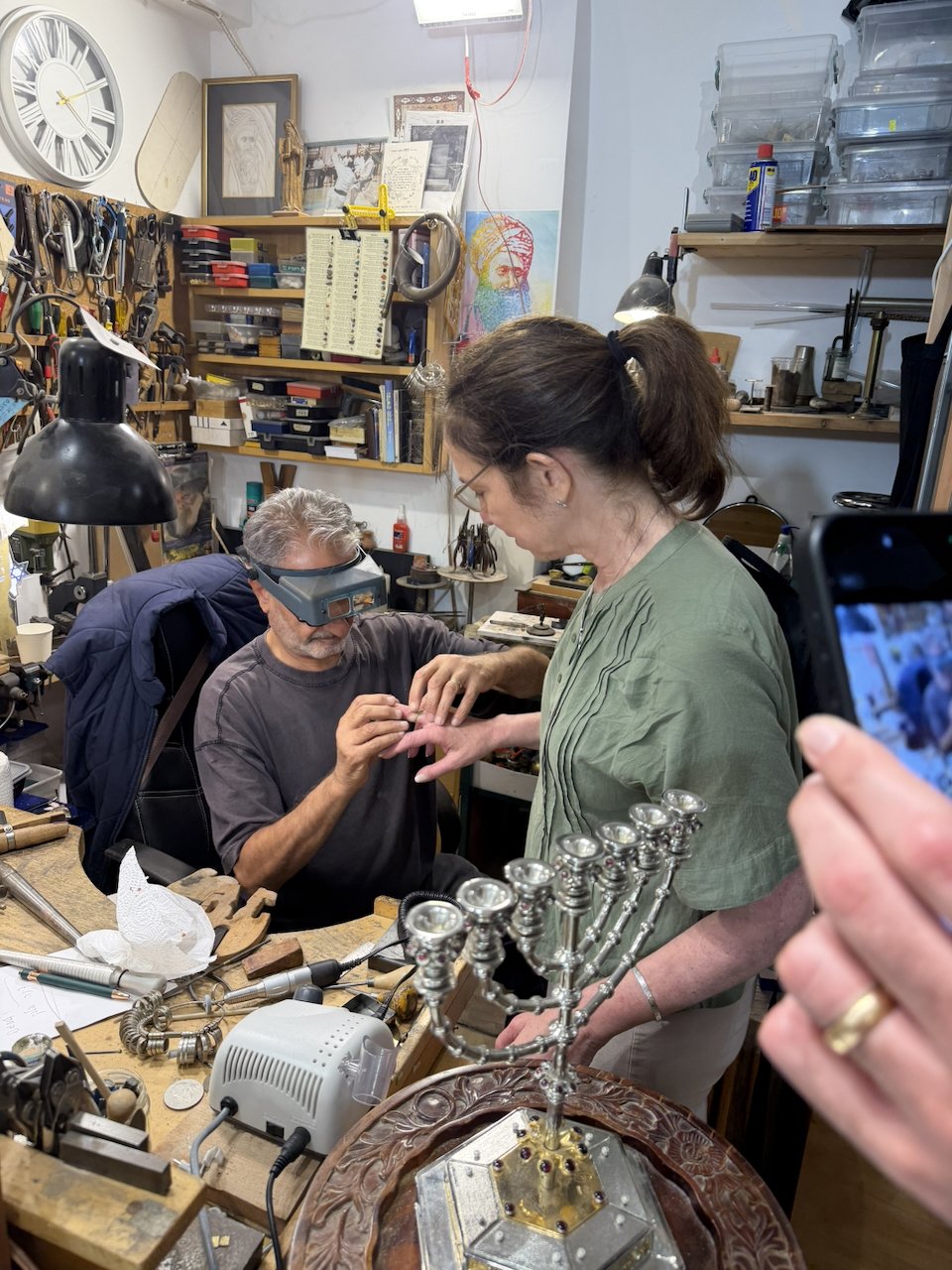
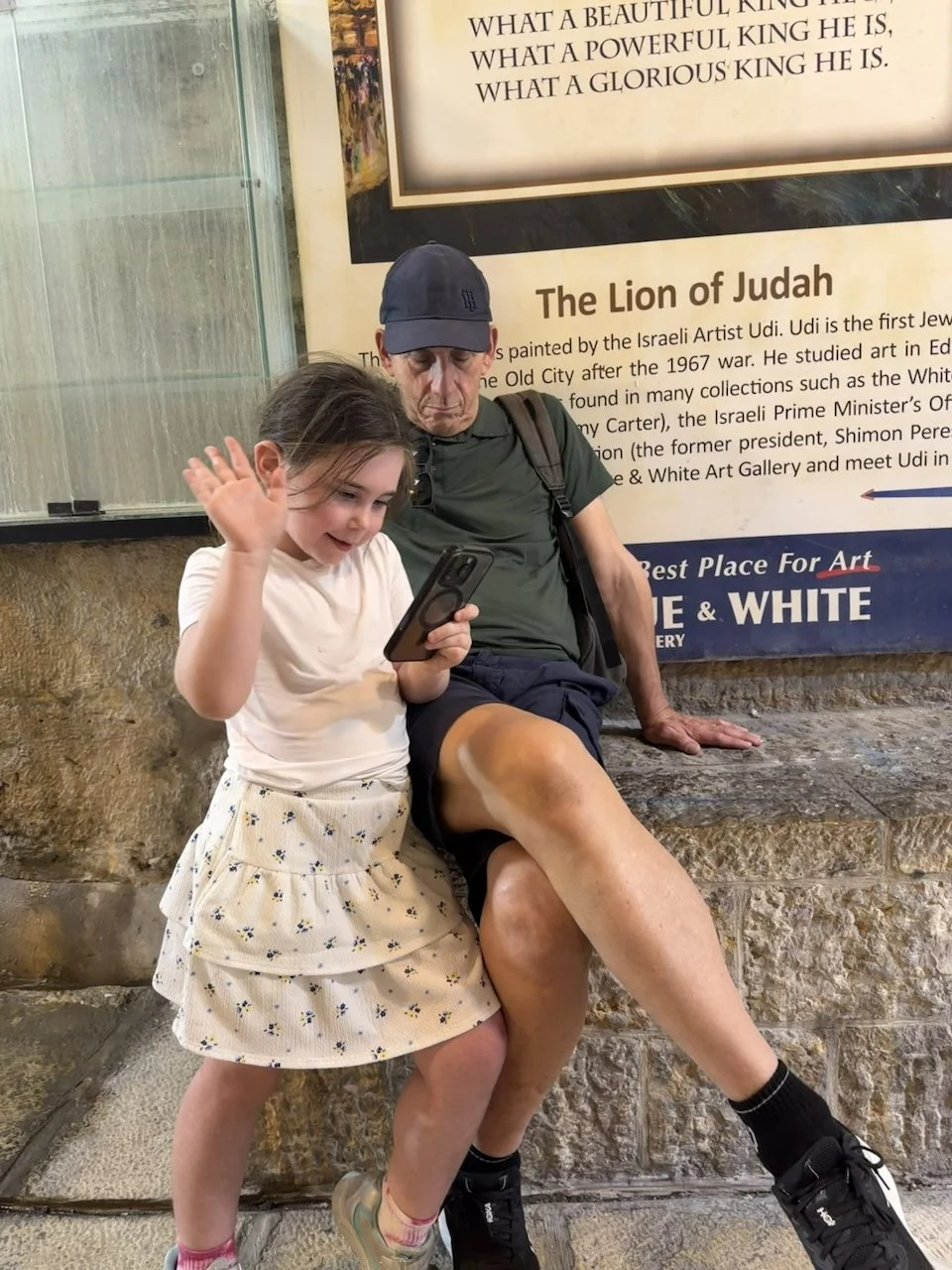
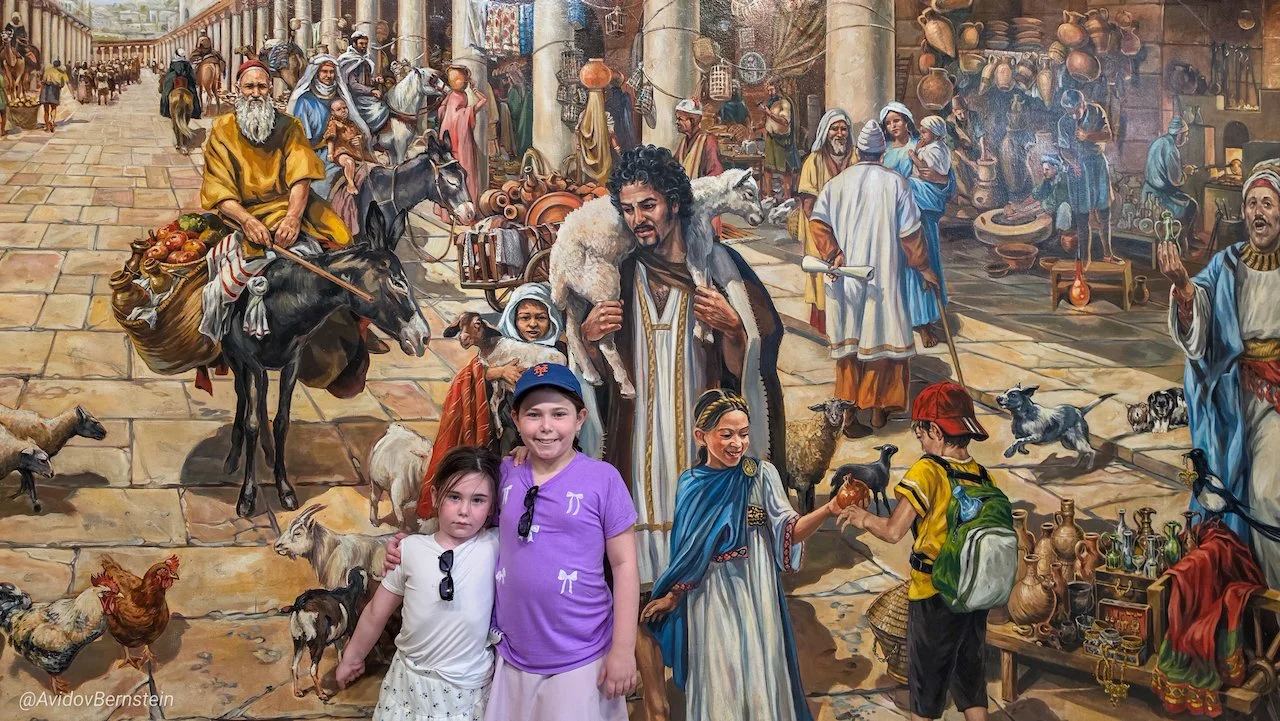
Then we got ice cream. It really was a great day. We learned a lot about the different quarters and saw parts of the Old City that we had never really explored before.
It was a really great tour.
Mahane Yehuda Tour
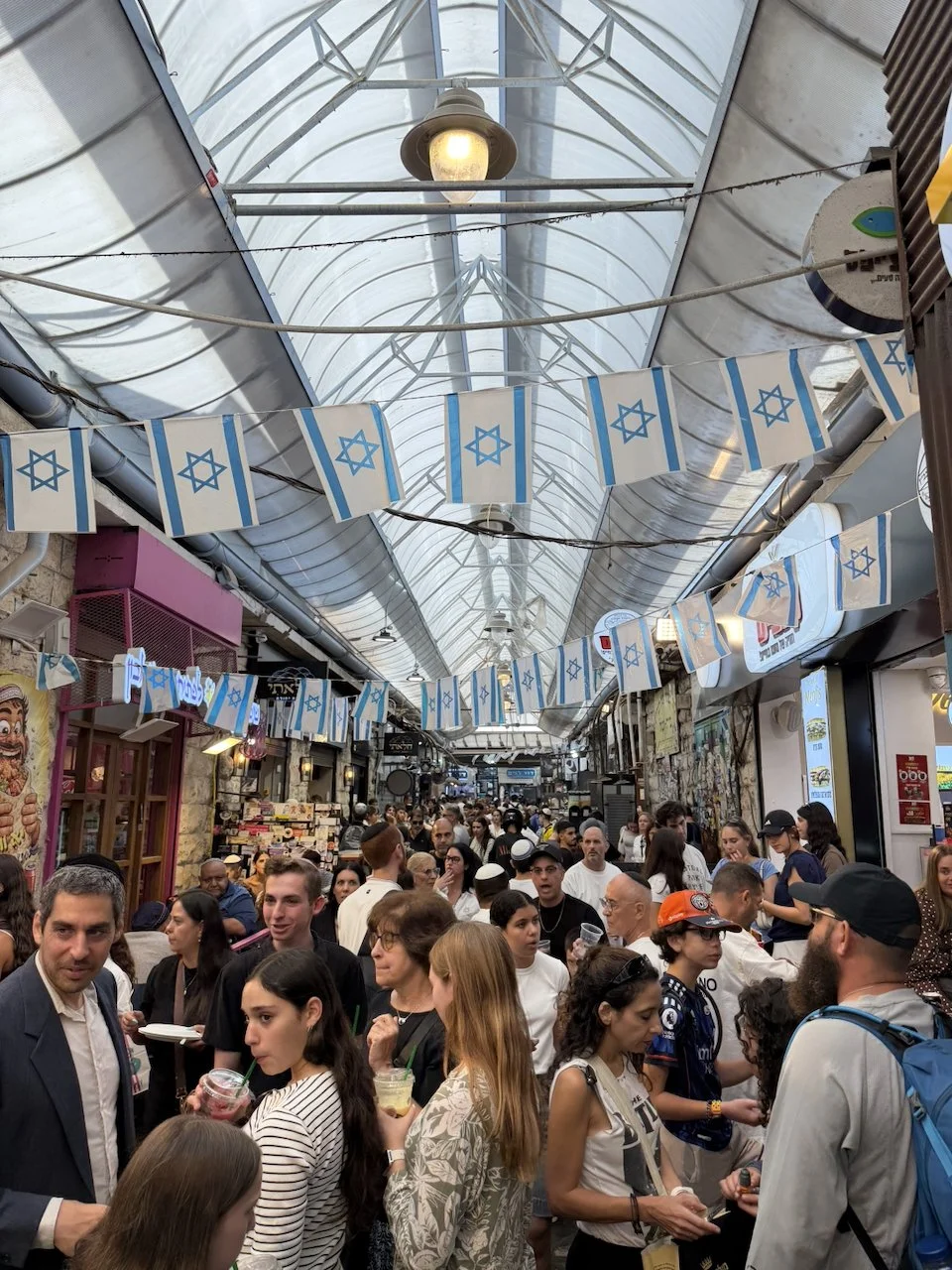
Tuesday morning we headed over to Machane Yehuda to meet our tour guide at 11:30. Today we had a shuk tour with a woman named Debbie, whom Tzvi has been following on Instagram for a while because she posts news about Israel restaurants and he usually uses her site to figure out where to eat on every trip. We’ve been to the shuk a million times, but we’ve never actually done a tour, so we weren’t sure what exactly to expect. It ended up being a cross between a tour of the history of the shuk and a food crawl.
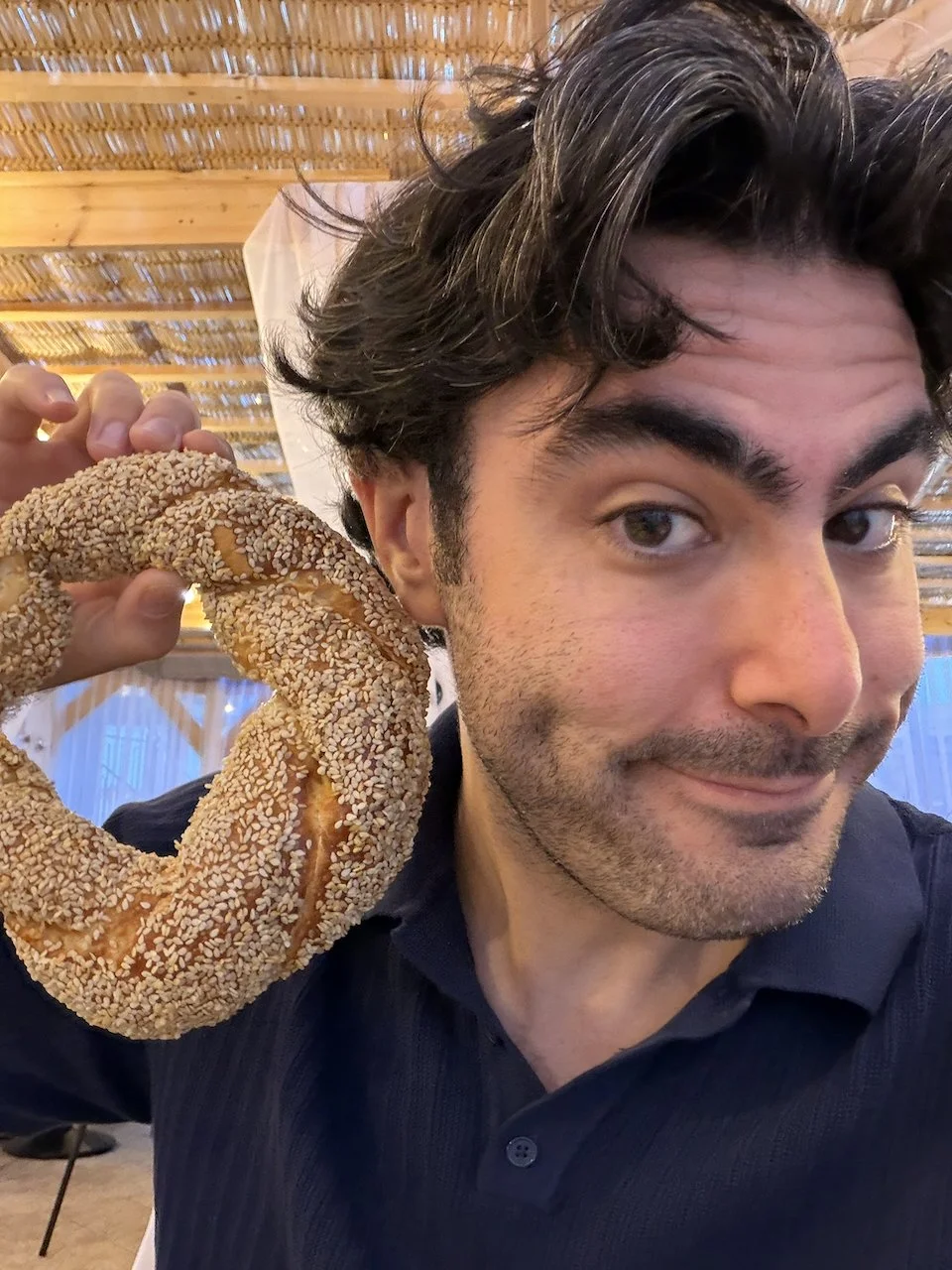
First, she came prepared because we had told her that we at least wanted to make a bracha and eat in a sukkah. So she brought water for us to wash with, along with some special bread whose name I have completely forgotten. We washed, ate the bread in the sukkah, and then started the tour.
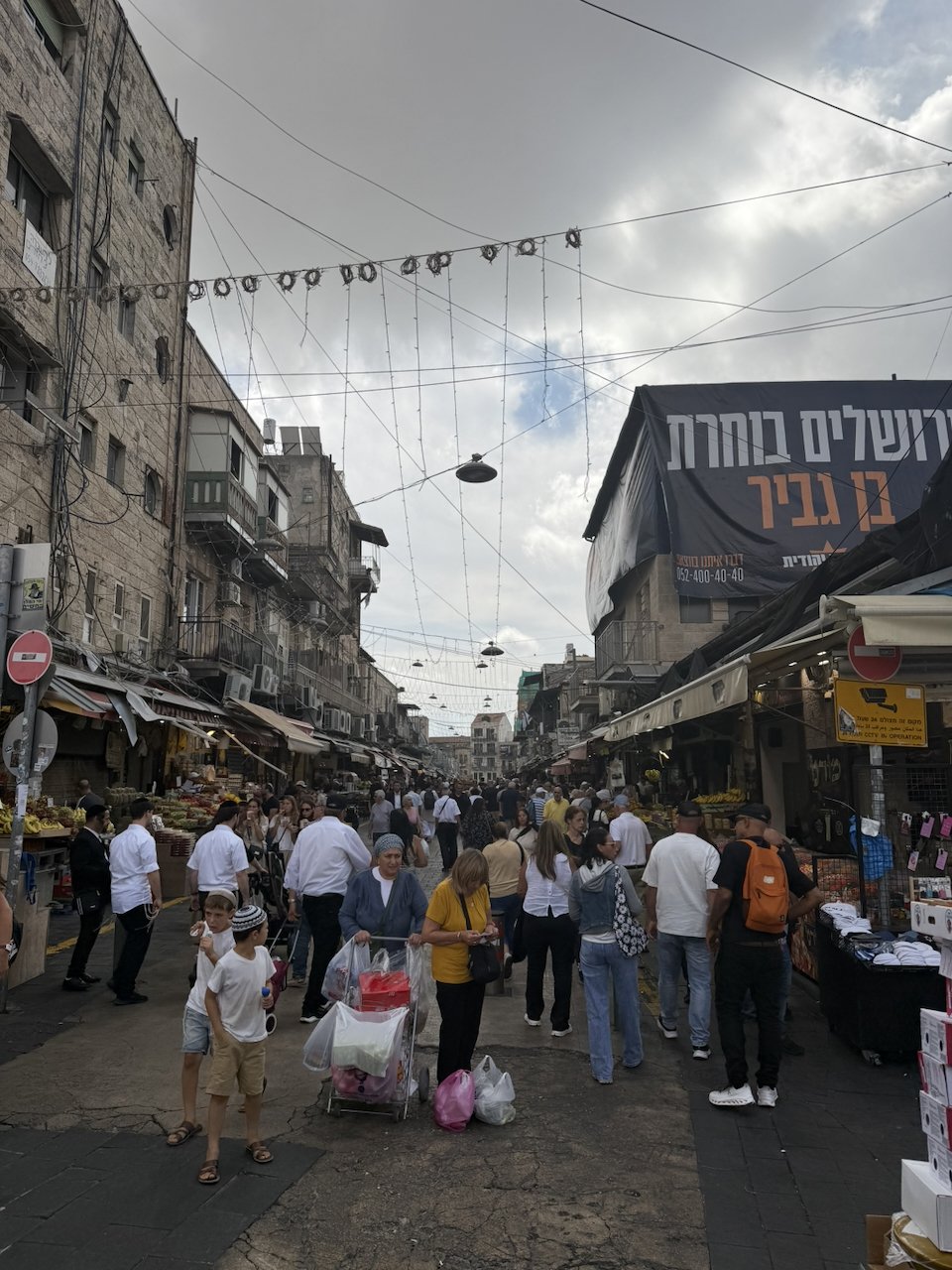
She began by telling us a little bit about the history of Machane Yehuda and how the market developed. Basically, the market is built on the spot where the carriages would arrive in Jerusalem, and as more people started living outside the Old City, they didn’t want to have to walk all the way there every time they needed food. So merchants began setting up in the area, eventually got permits, and the market grew from there. Apparently, there are actually several different smaller markets within Machane Yehuda itself. That was pretty interesting.
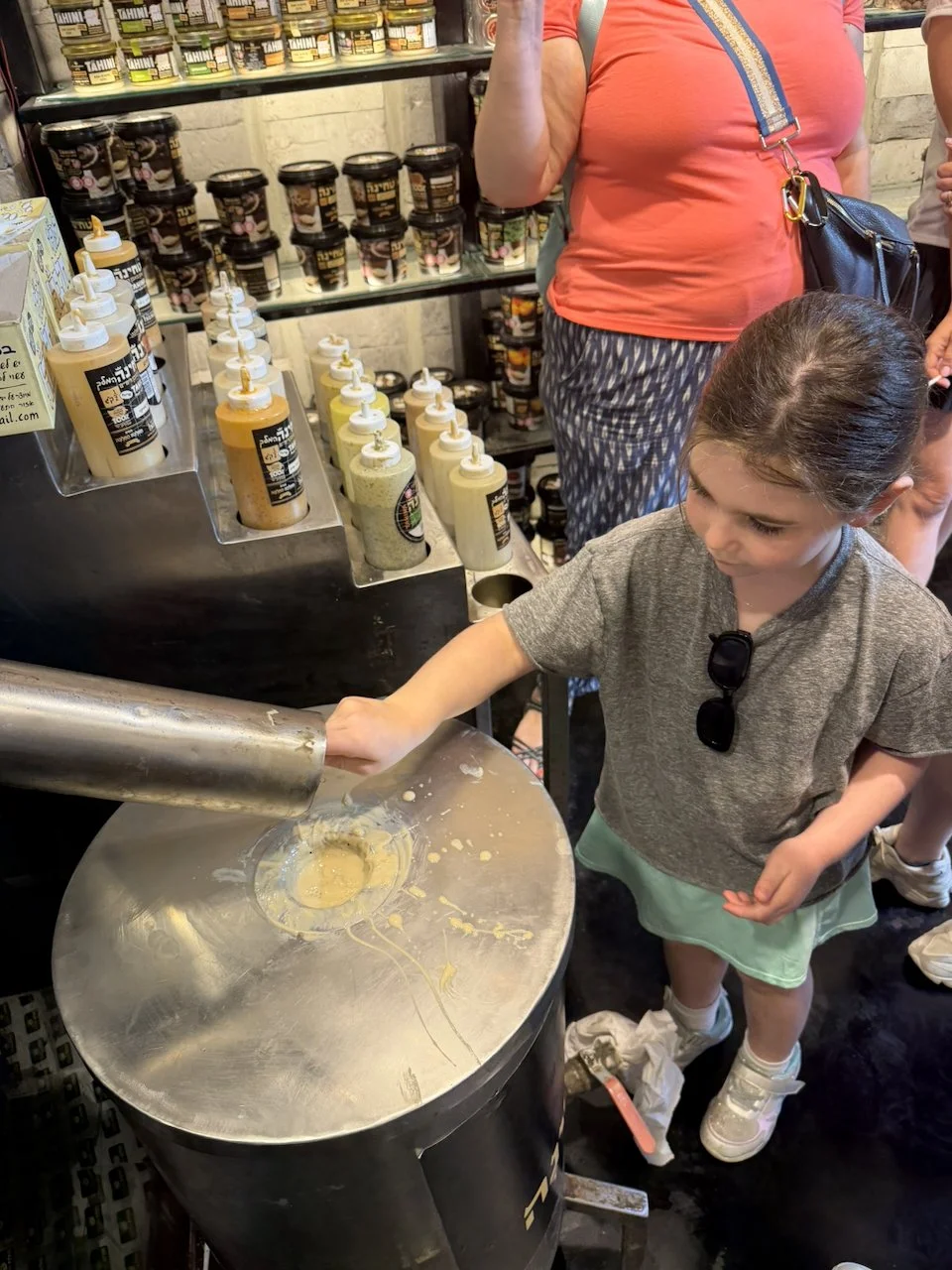
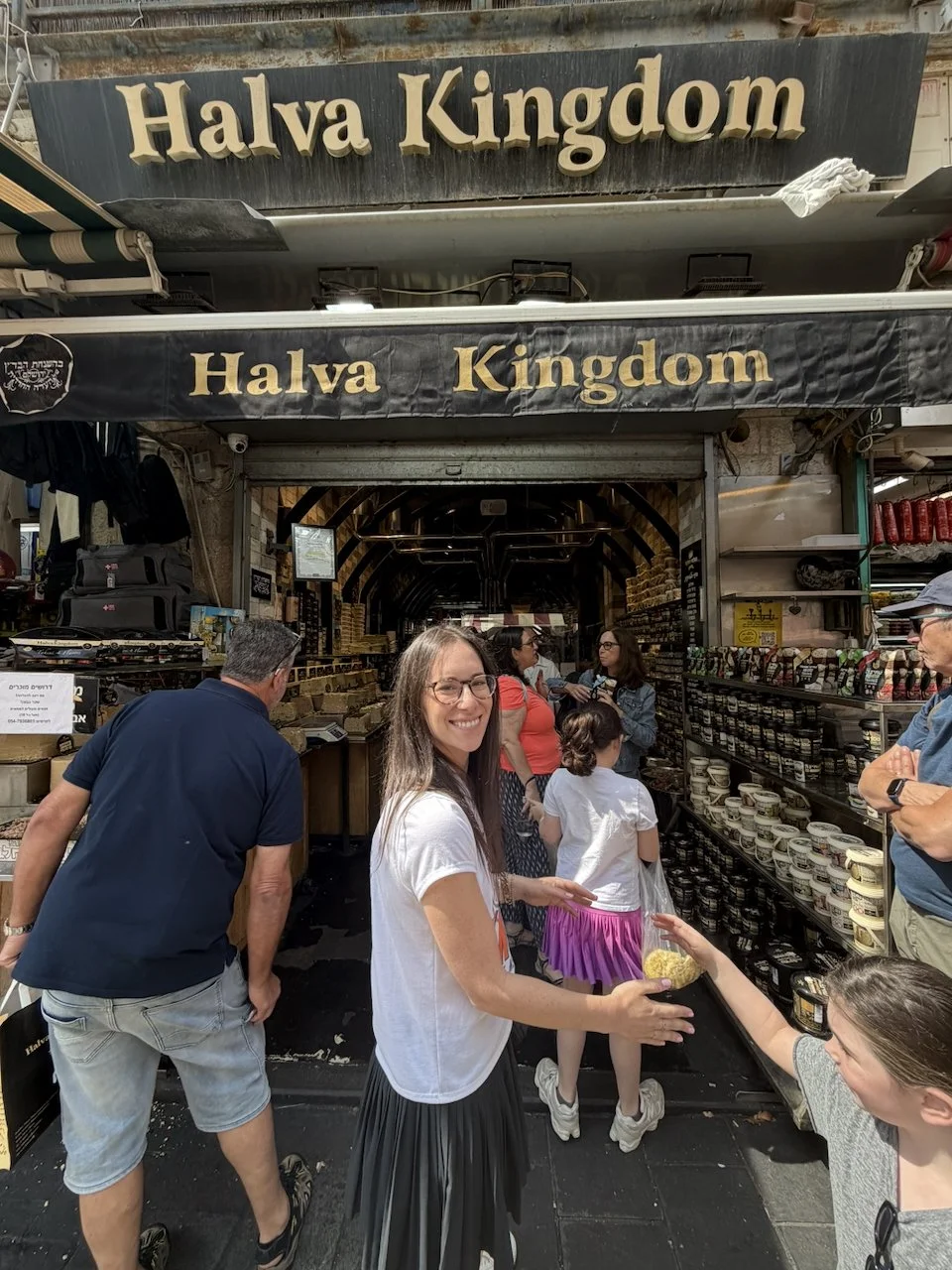
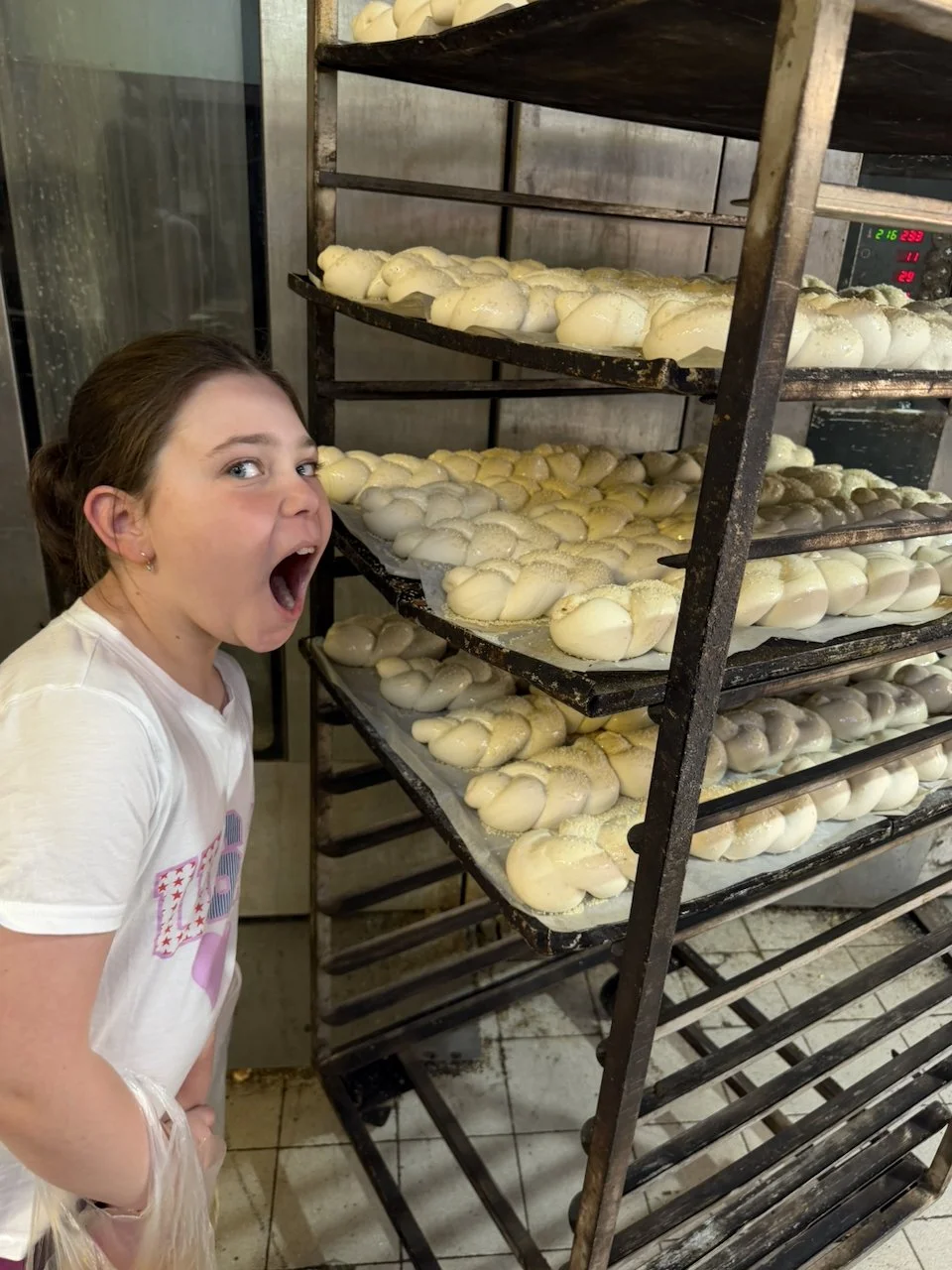
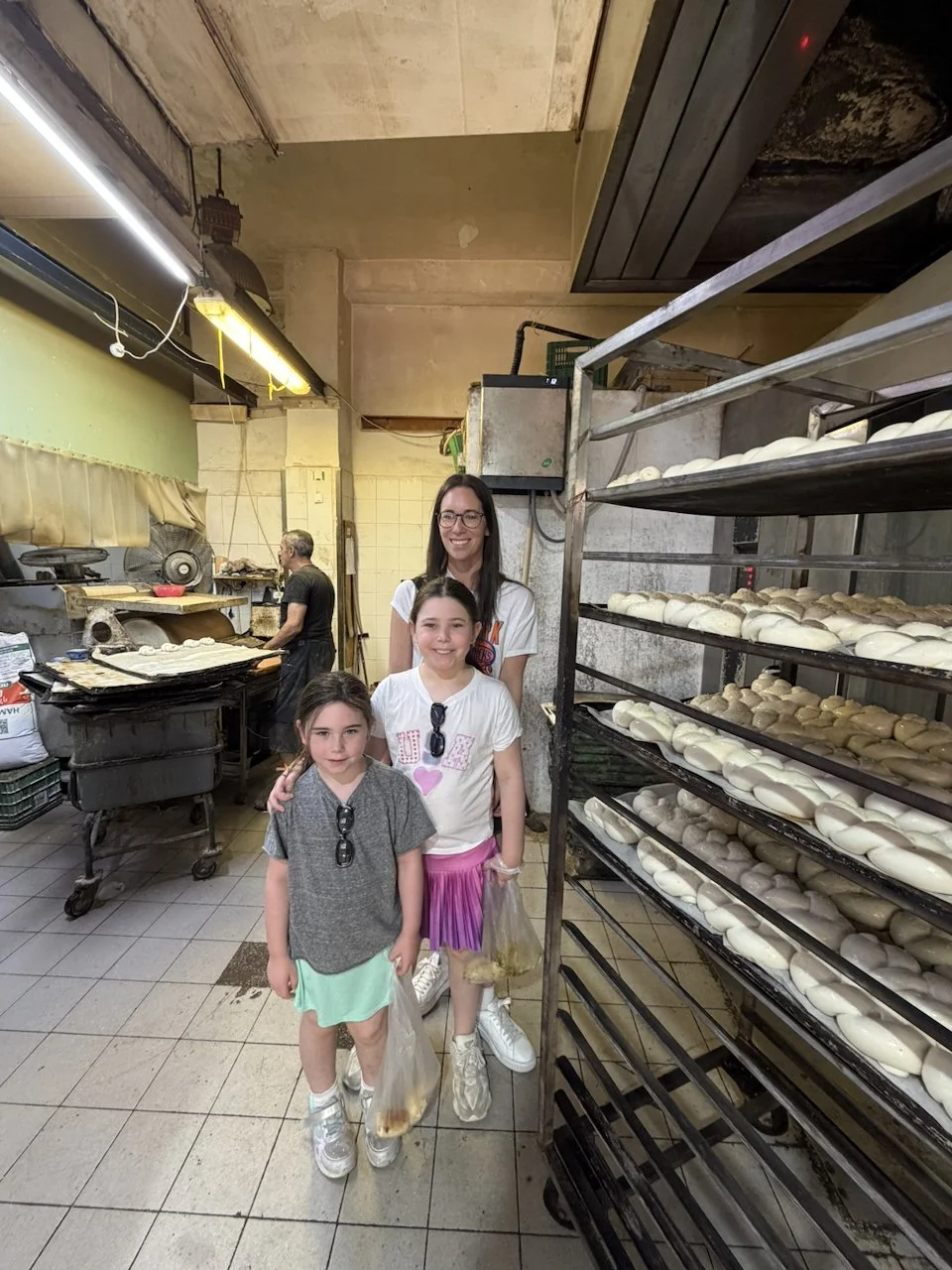
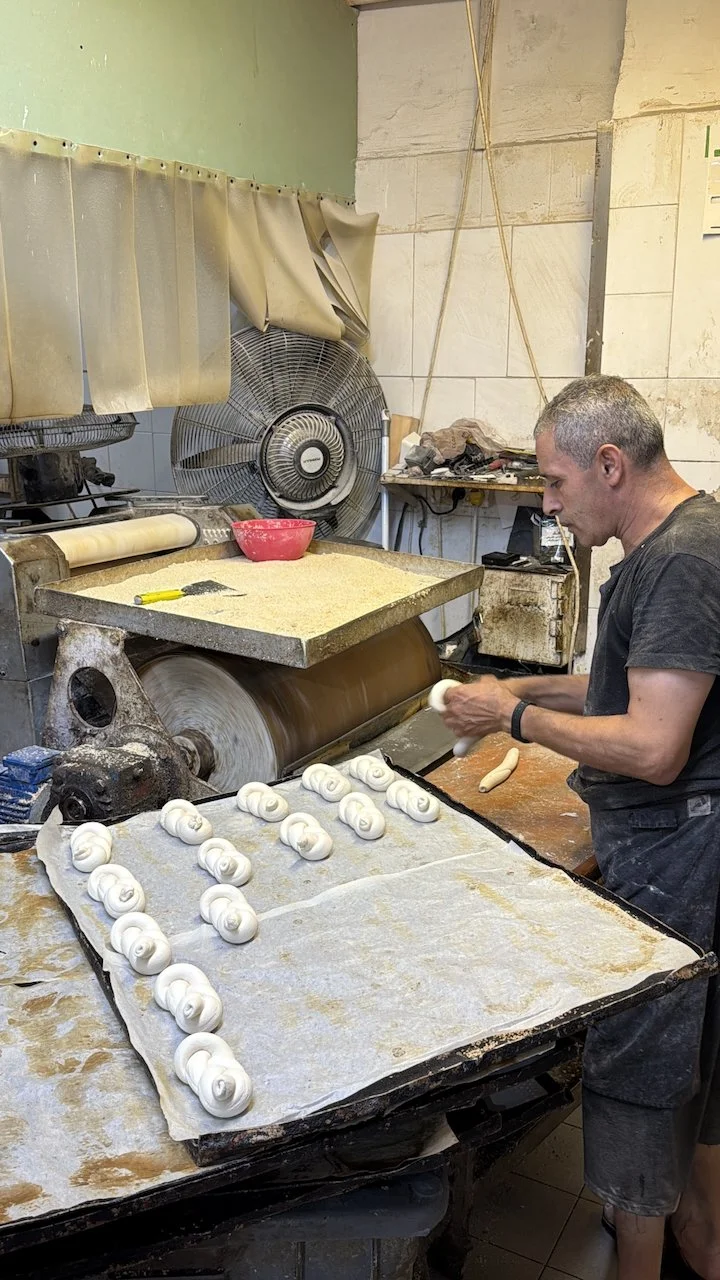
Our first stop was a tahini place, where we saw the same kind of sesame grinder we had seen in the Old City on Sunday. We tasted a bunch of different tahinis, which was fun. Then she took us around to a few bakeries. At one place, we went inside to watch a guy making challah. Apparently, this man basically works nonstop and comes in Saturday night to start preparing. We took some slow-motion videos of him making the challah. I think we should probably post those and let everyone extrapolate for themselves. There was a lot of laughing involved while watching them.
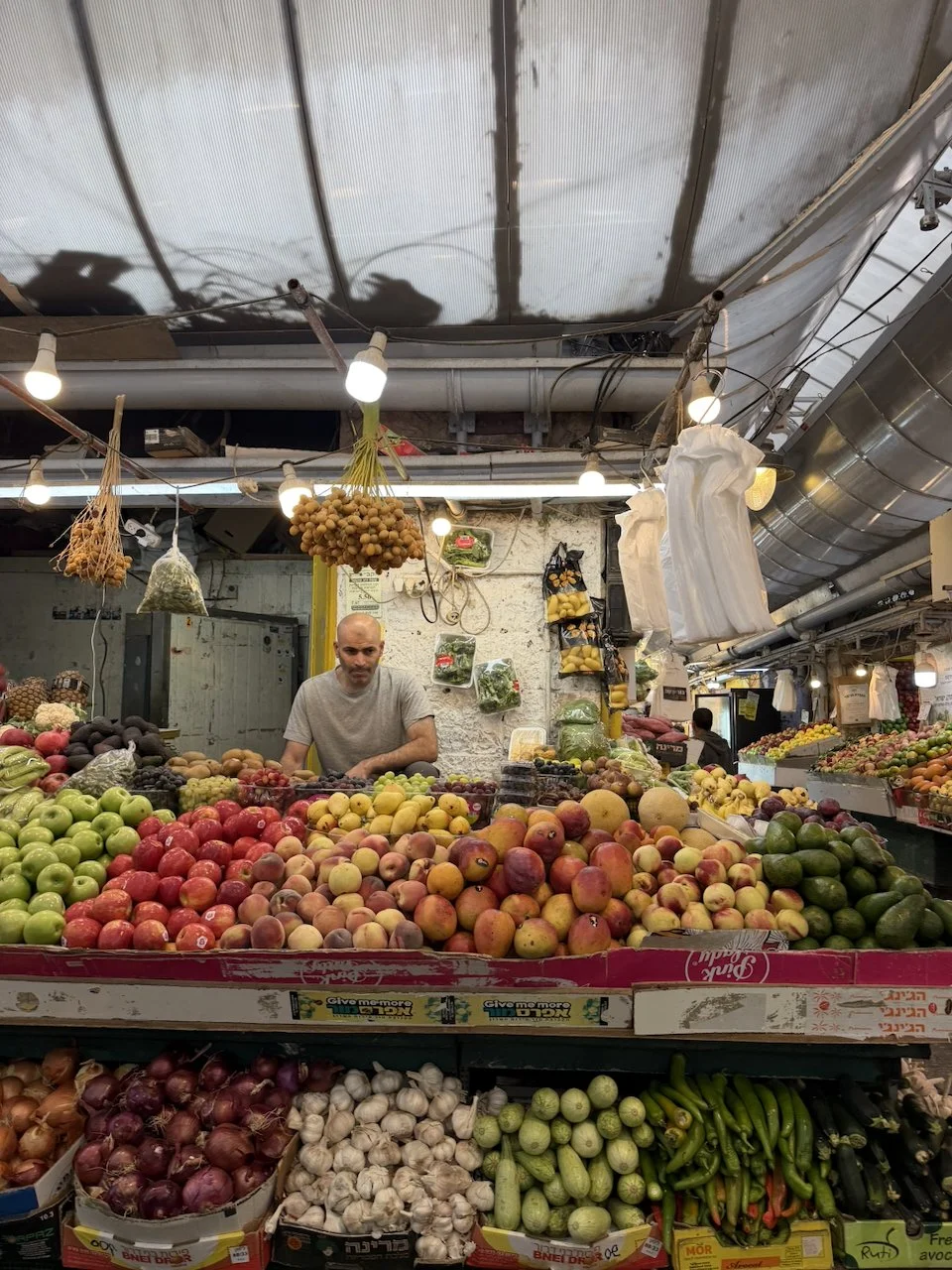
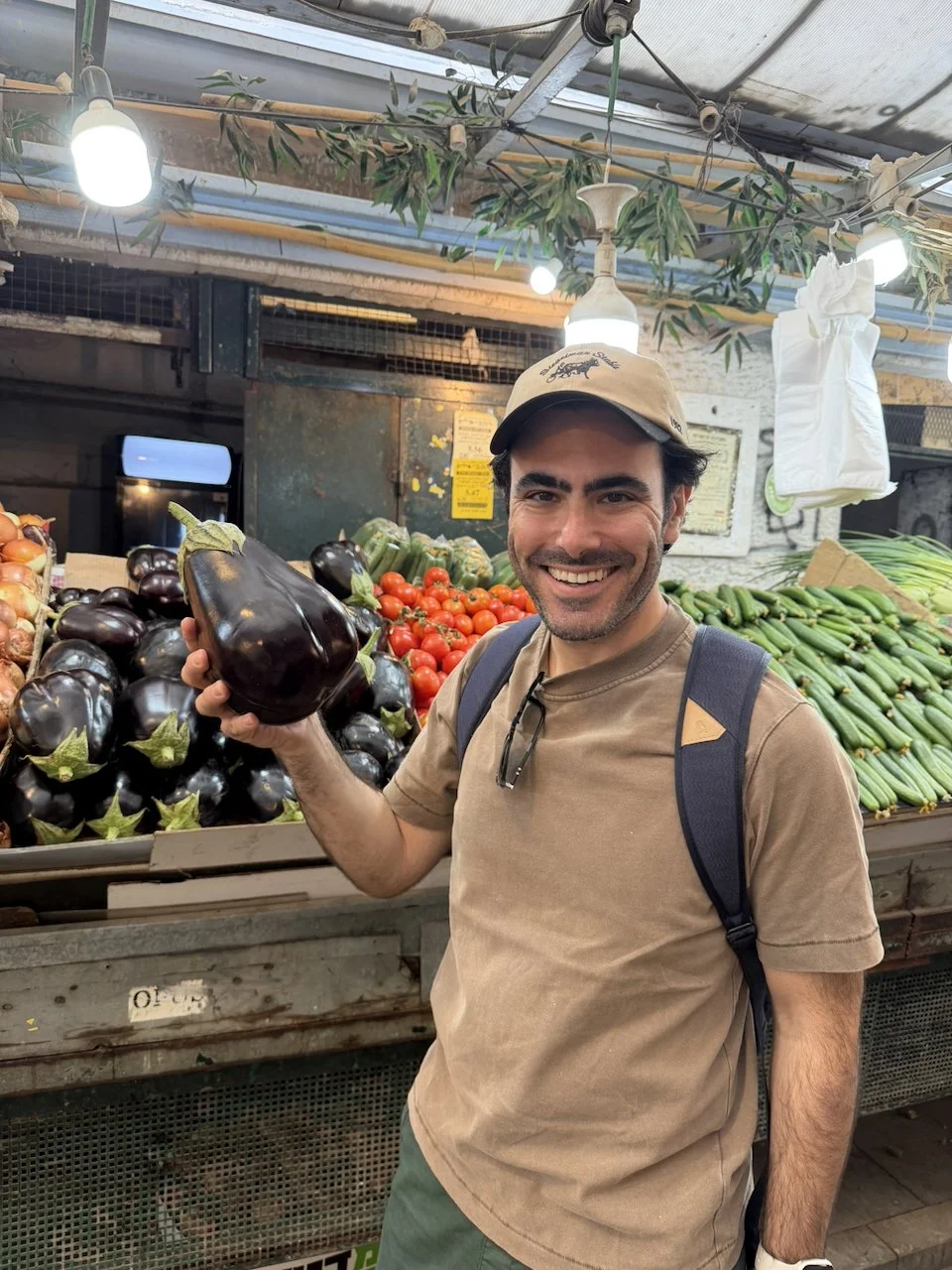
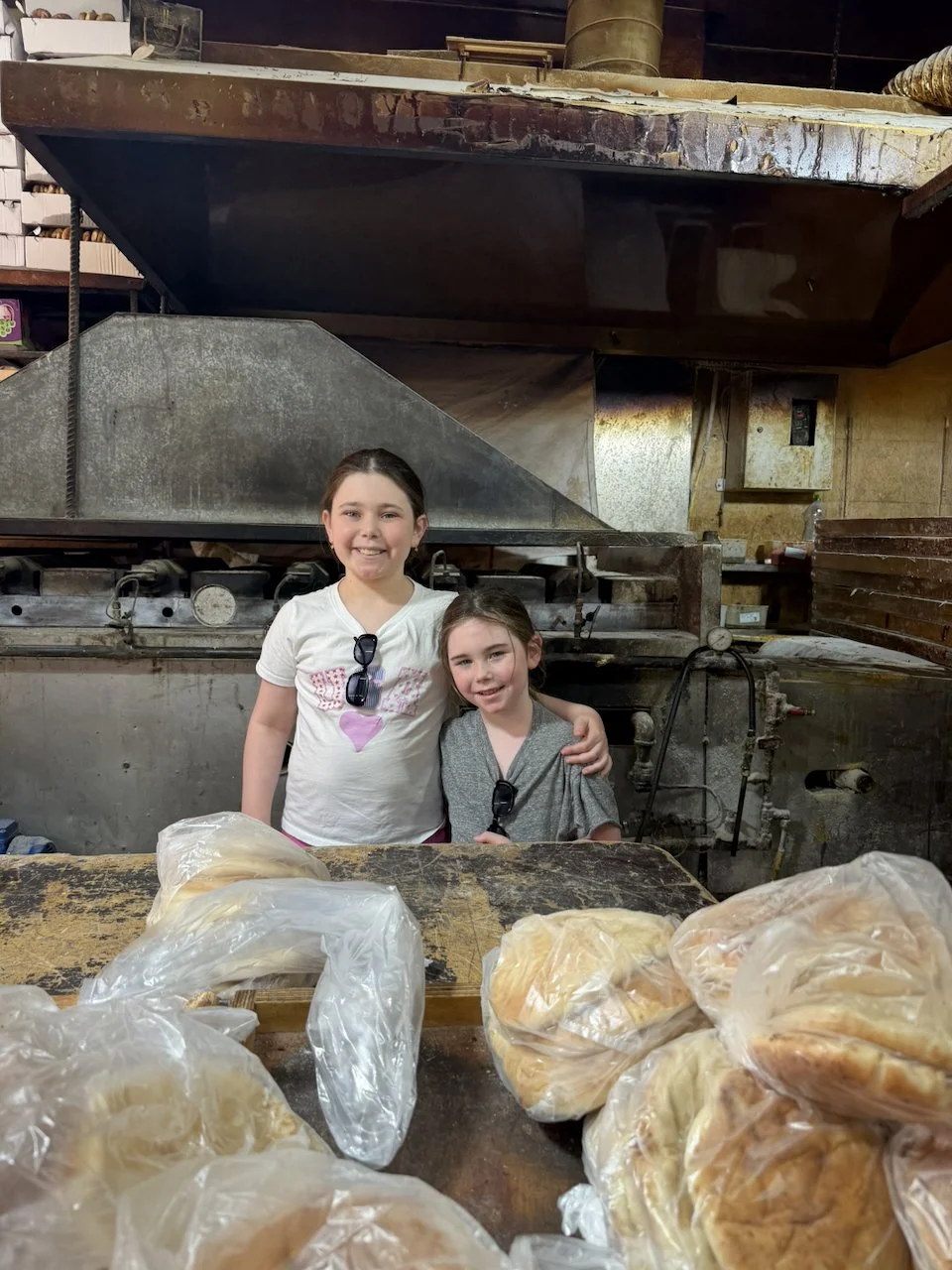
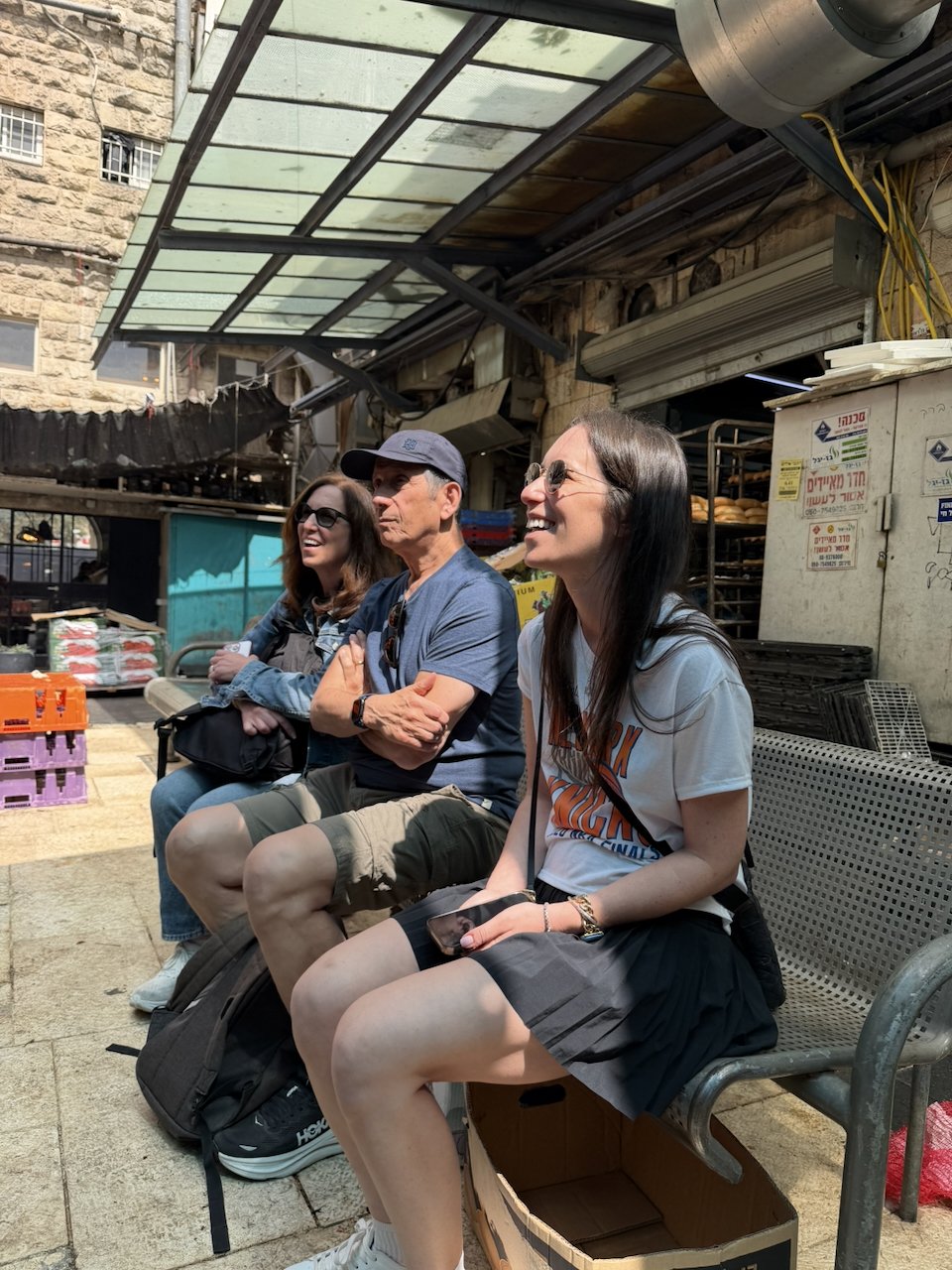
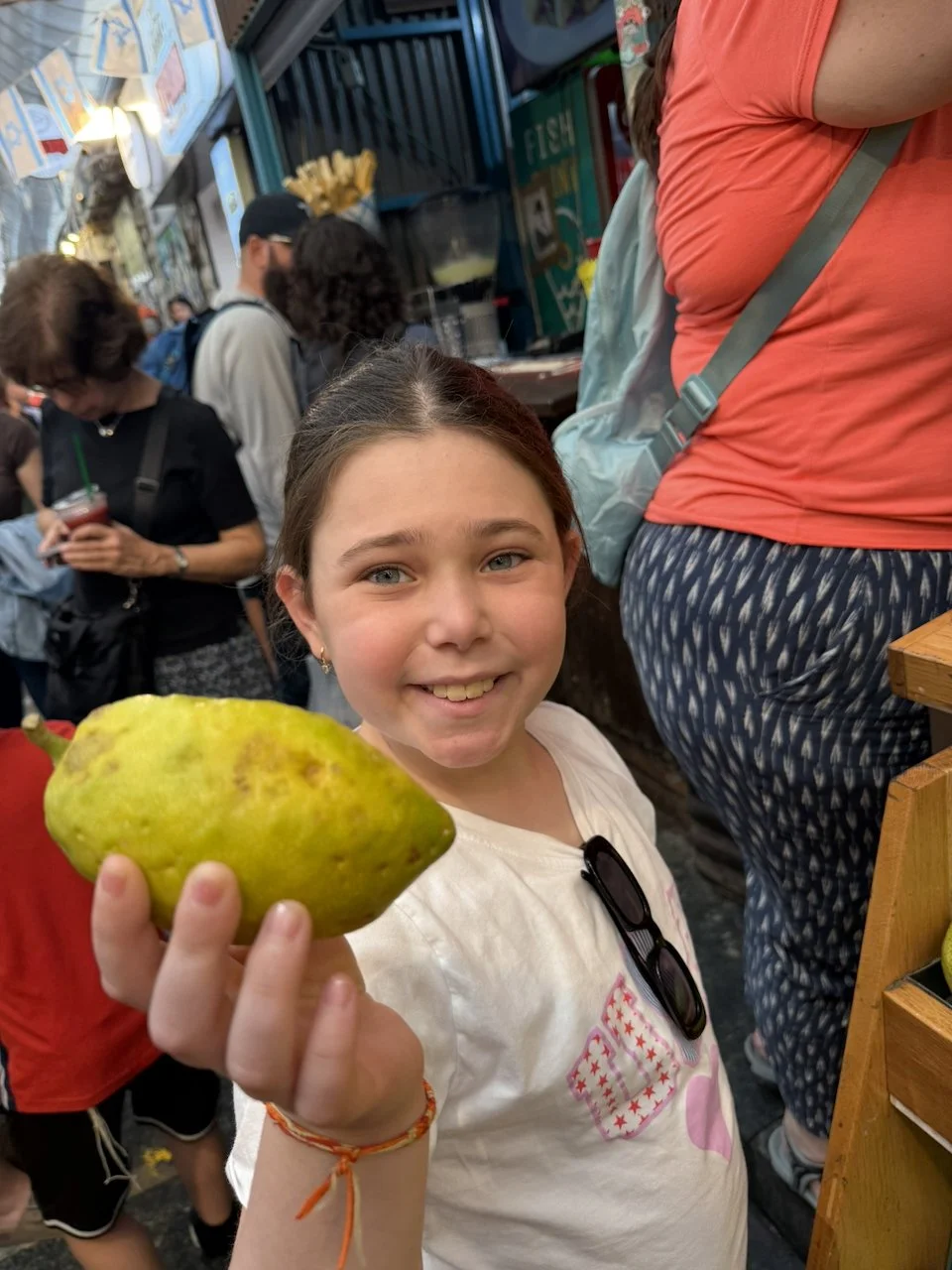
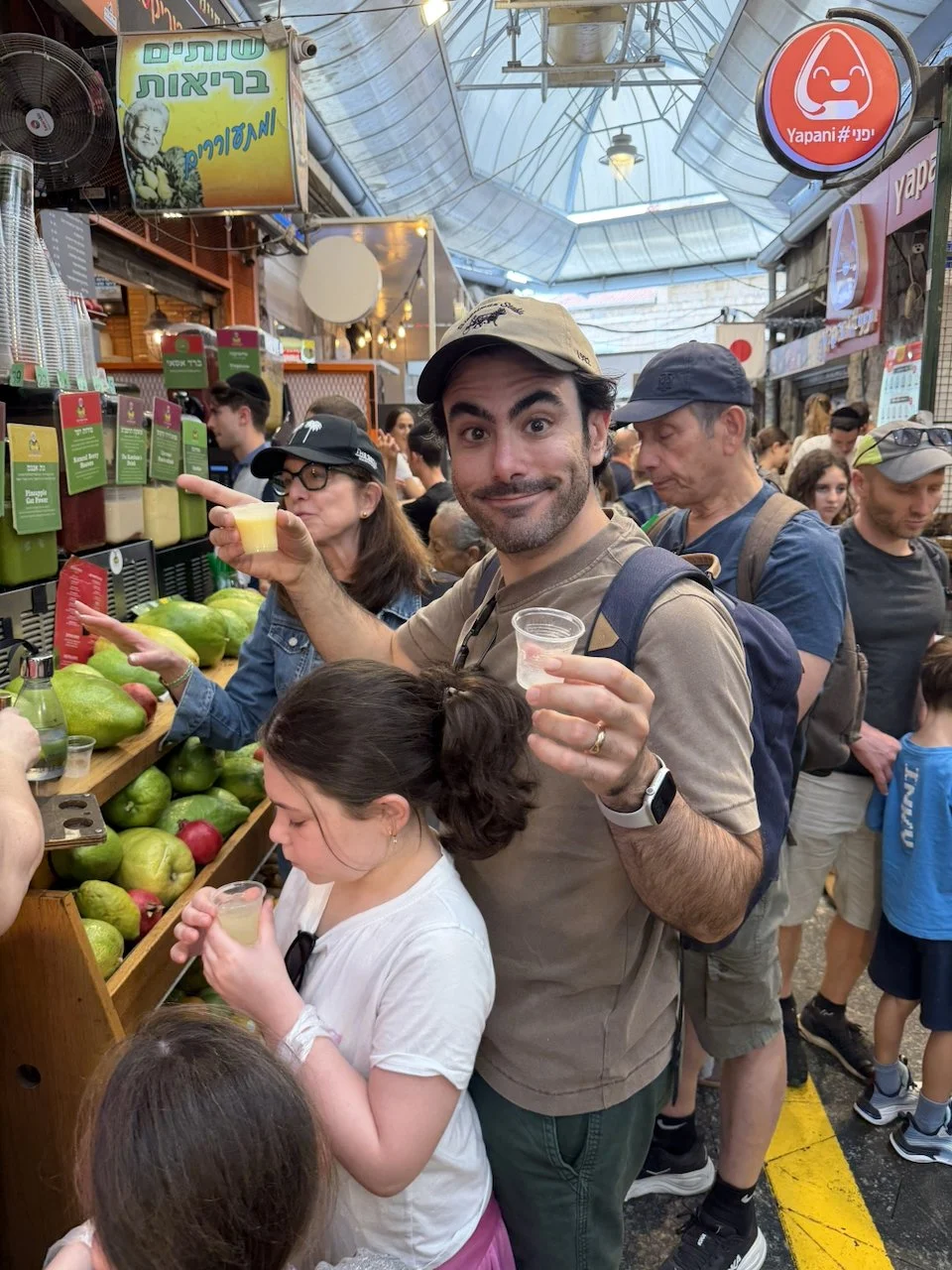
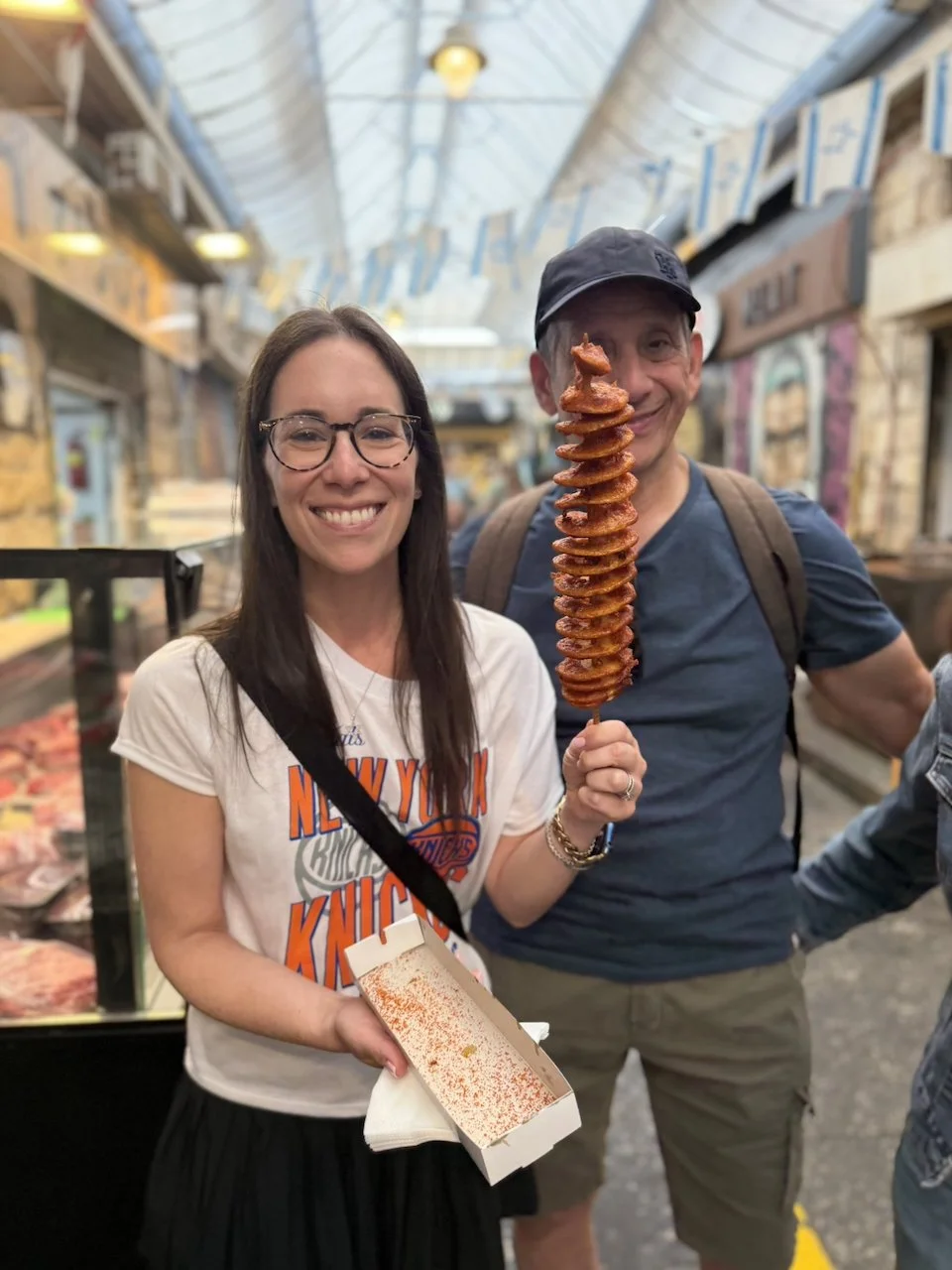
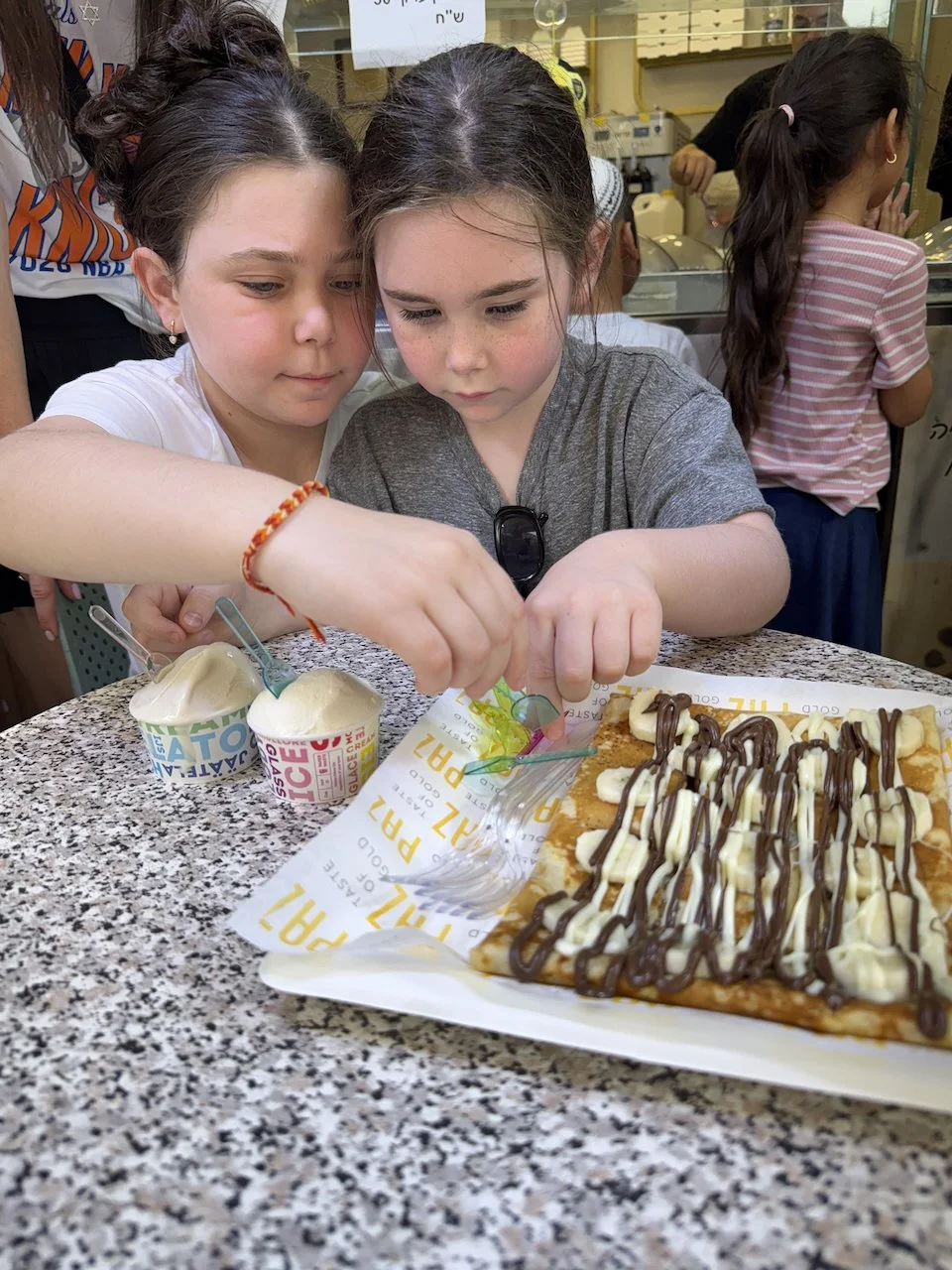
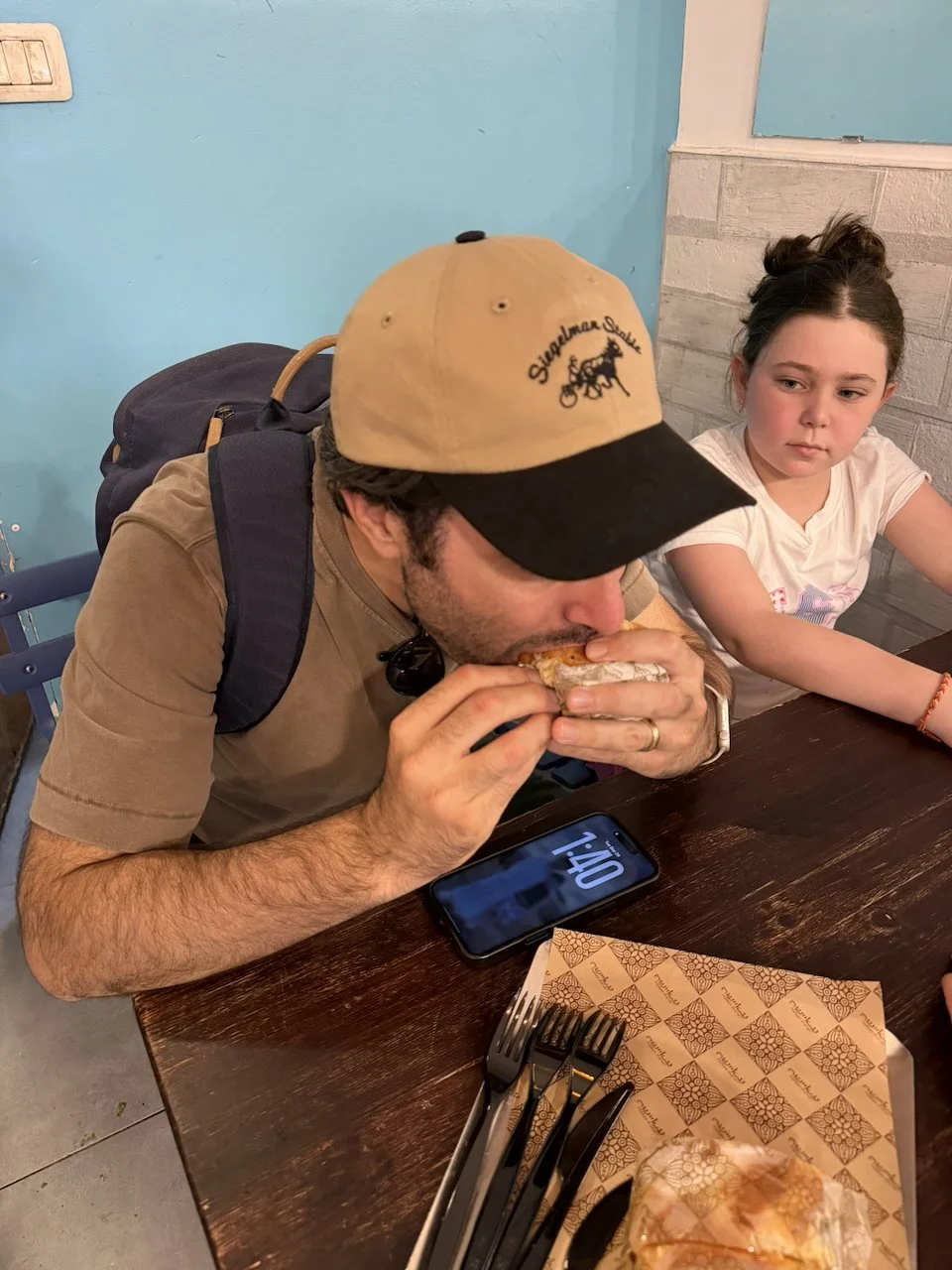
We stopped at a juice place called Etrog Man and got some kind of juice that had an ingredient in it called “Gat” that apparently we aren’t allowed to have in America. I have no idea what it was. Something vaguely caffeine-adjacent. Then we got one of those viral spiral fried potatoes—a whole potato cut into a spiral, fried, and covered in spices. Which, to be fair, I’m pretty sure I have had at some random fair in Bethpage. But it was still delicious. We went to a mufletta place, which was almost like a burrito situation. Then we had some kind of crepe-and-ice-cream dessert. And we finished at a schnitzel place with a schnitzel-in-challah sandwich. So we definitely ate enough. The tour itself was really interesting, and Debbie was very good. She was also extremely aggressive, in a good way. There were so many places we never would have found or managed to get into ourselves, especially because the shuk was absolutely insane with Chol Hamoed crowds. She would just push her way through, get what we needed, and make it happen. Her aggressiveness was very useful. We usually come to the shuk and hit the same places, so it was nice to get to try new things.
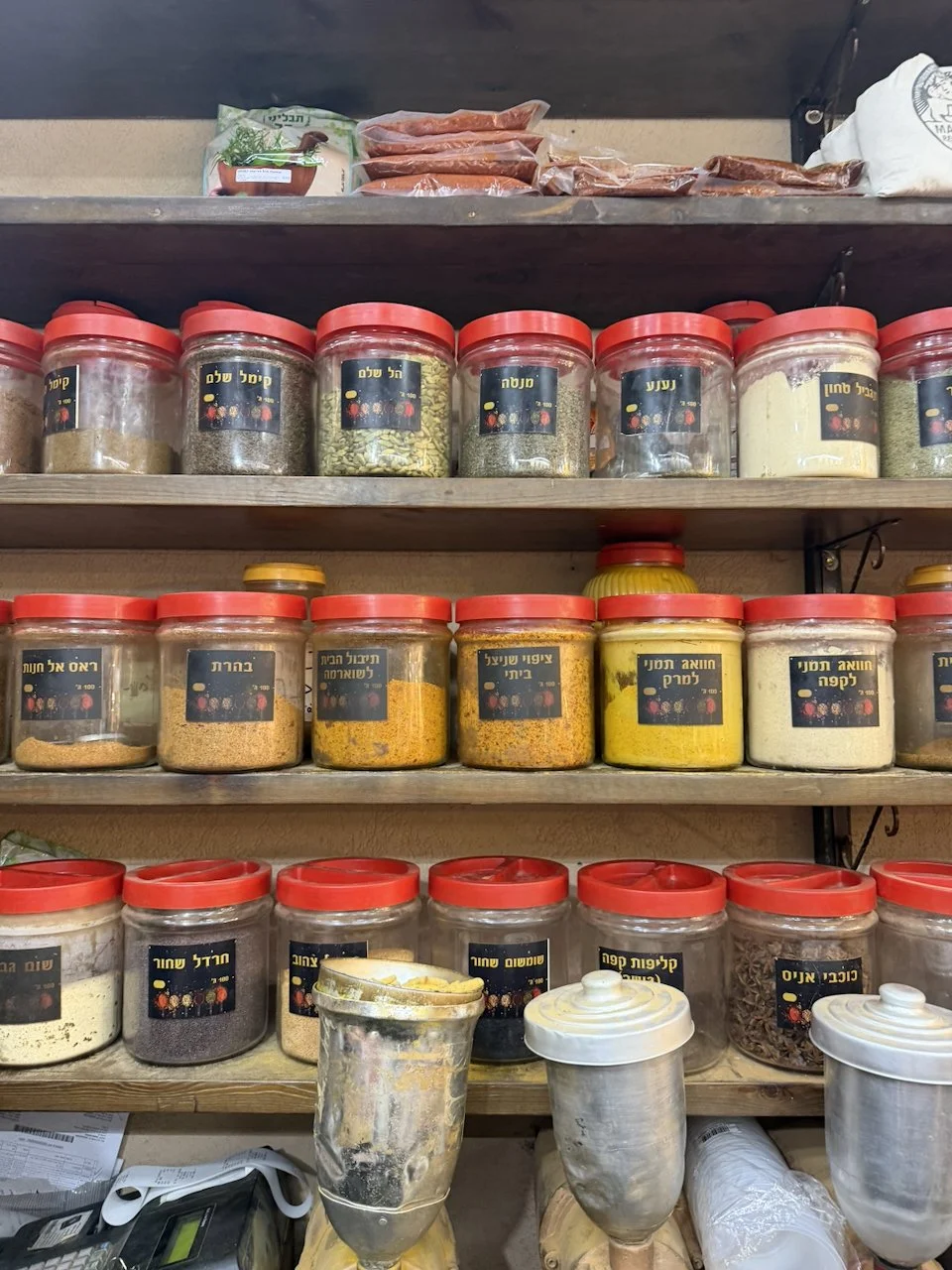
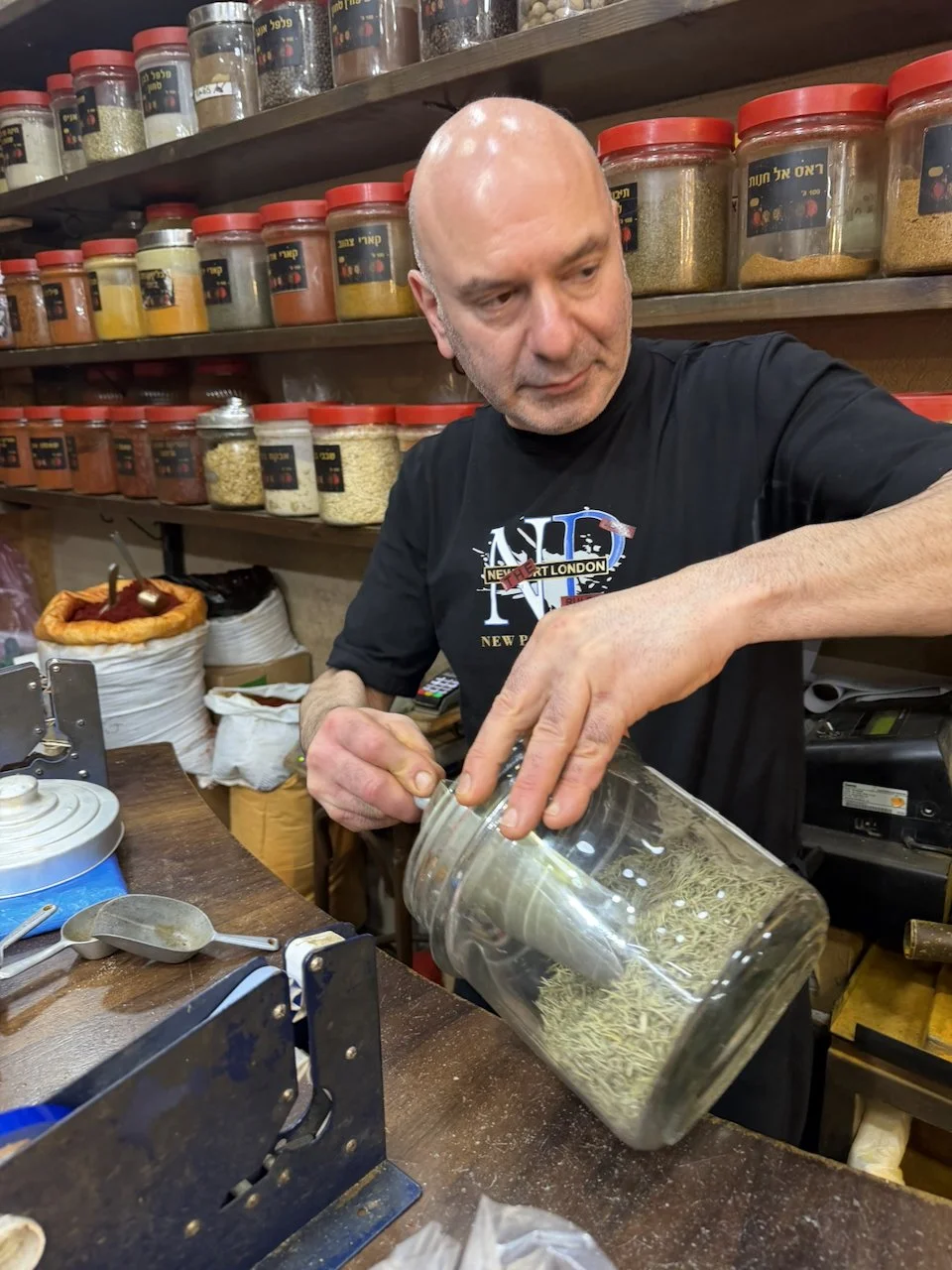
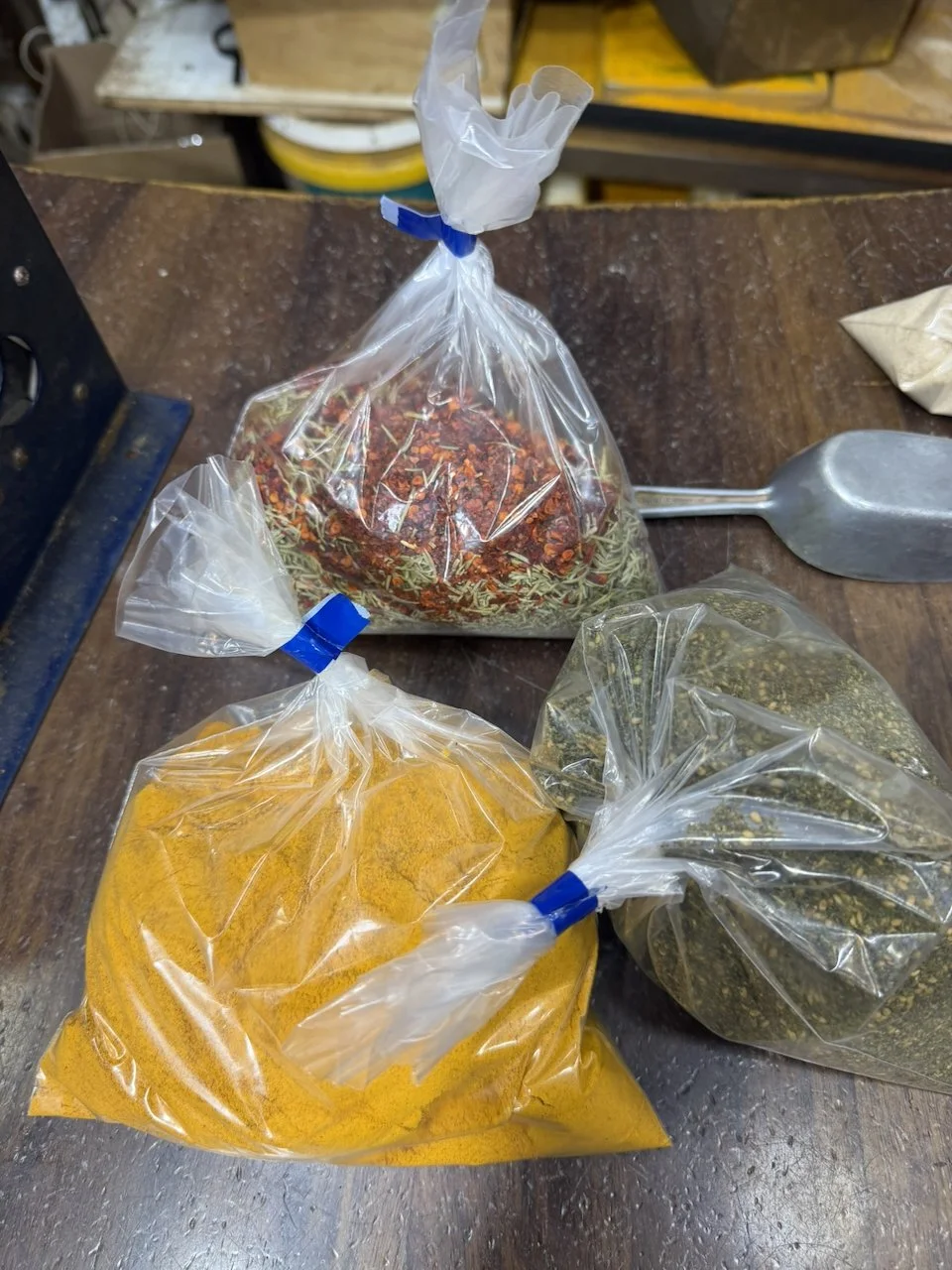
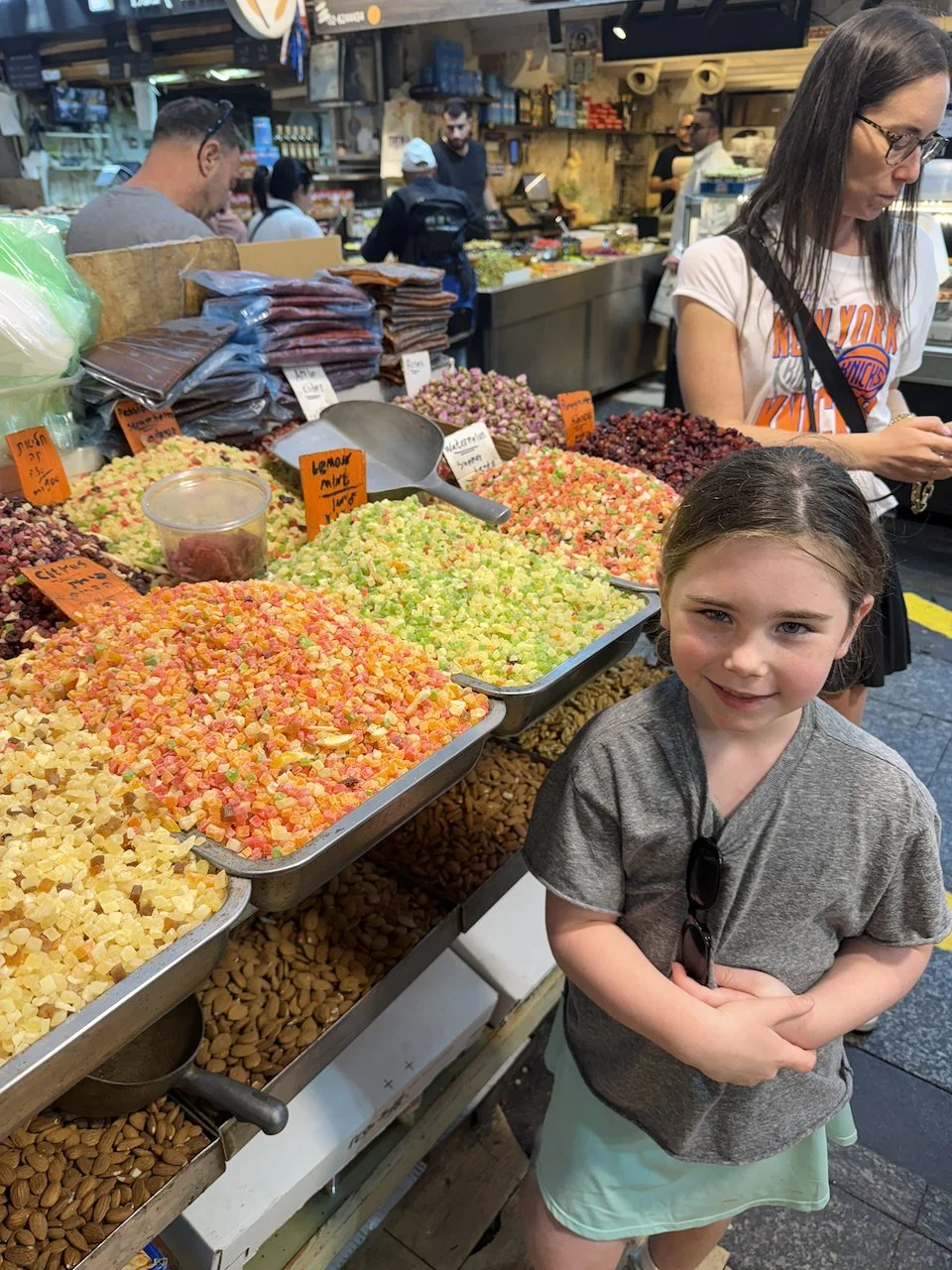
After the tour ended, we did some shopping on our own. We went to the spice guy and bought some more spices. Then we went to a dried-fruit-and-tea store, where there was another family shopping who it turned out lives around the corner from us at home. We bought a bunch of things there—tea, dried fruit, and whatever else looked good. Then we ended up in one of those variety-type stores where I bought some gold bowls and a few gold serving dishes that are apparently oven-safe. Apparently. I’m now just hoping they don’t melt the first time I actually put them in my oven. I’m also not entirely sure how we are getting them home. But it was fun.